EN
Quick Links
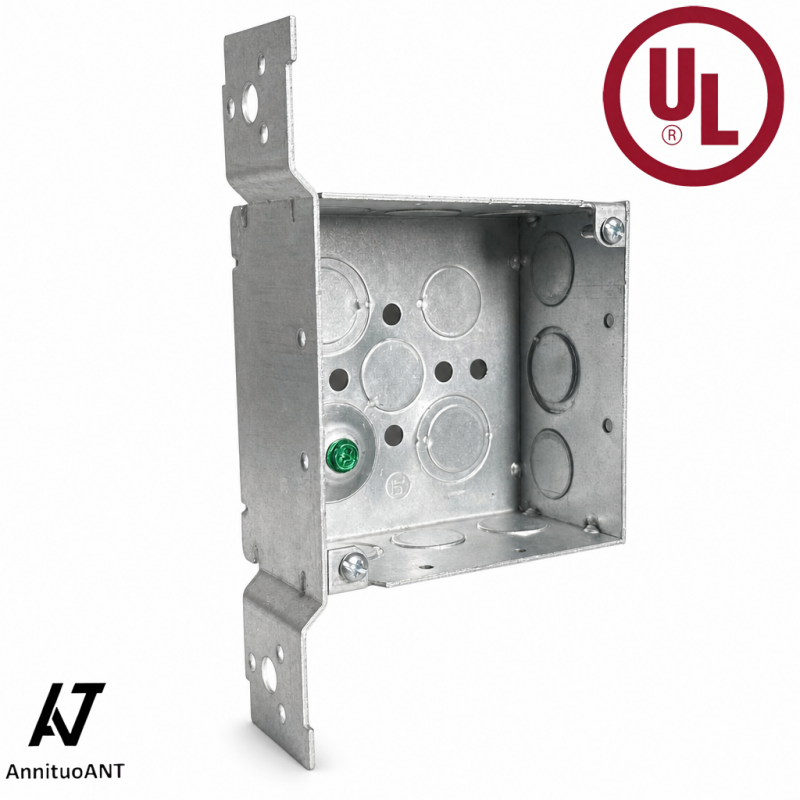
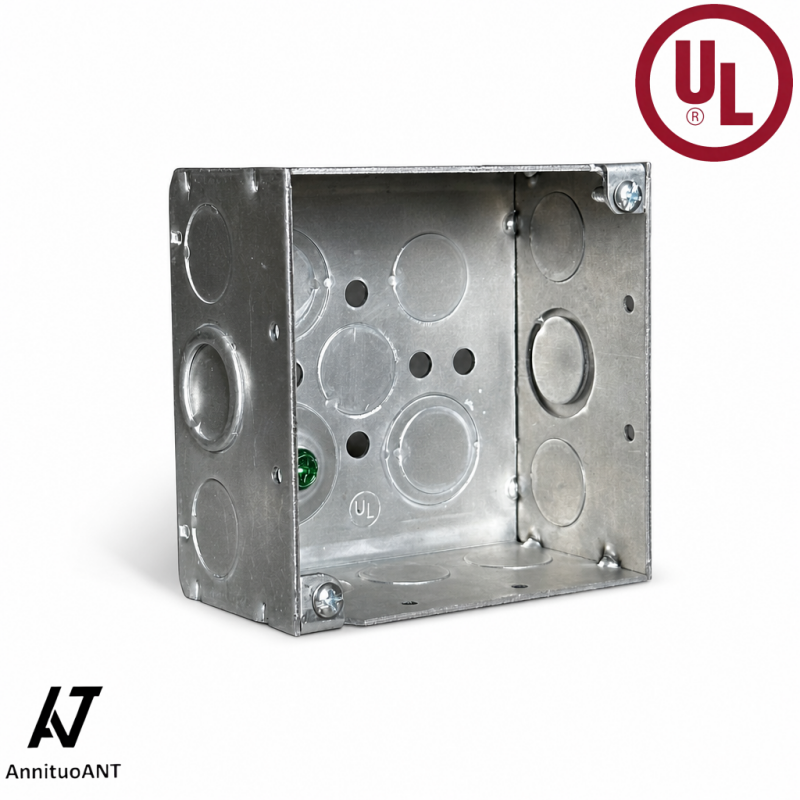
When it comes to electrical installations, the choice of an electronic box is crucial for ensuring safety and functionality. An electronic box serves as a protective enclosure for electrical connections, housing important components such as switches, outlets, and circuit breakers. For B2B buyers, understanding the specifications, costs, installation challenges, and material advantages is essential when selecting the right exterior junction box for commercial or residential projects. This article aims to provide insights into these key aspects, helping you make informed purchasing decisions.
When evaluating electronic boxes, specifications play a pivotal role in determining their suitability for your project. Key factors to consider include dimensions, material type, weight capacity, and mounting options.
Dimensions: Ensure the electronic box fits the intended installation space. Measure the area to confirm that the box will accommodate the necessary components while allowing for proper ventilation.
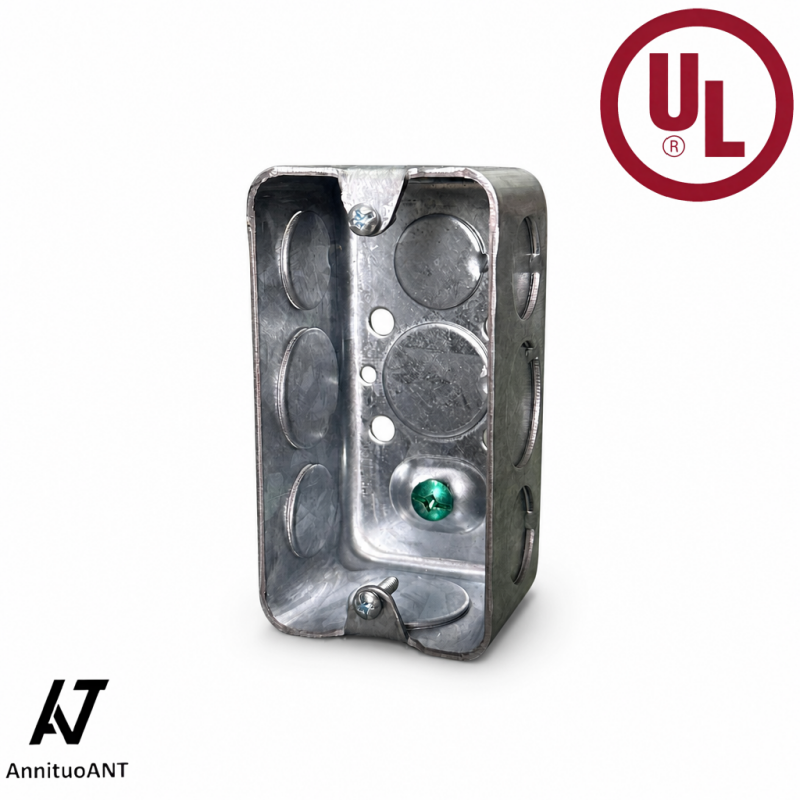
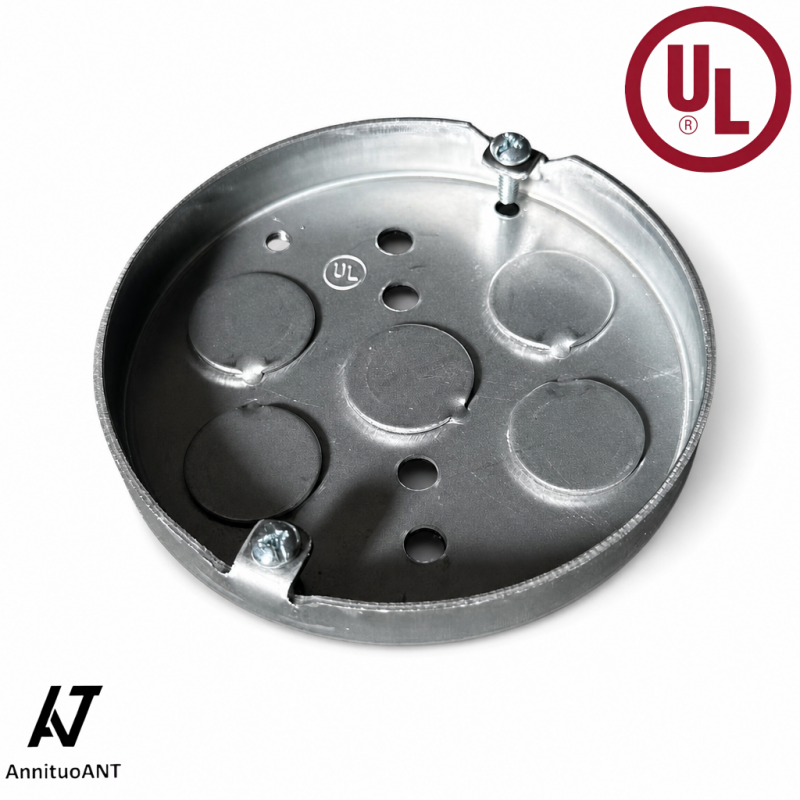
Material: Electronic boxes are typically made from either metallic or non-metallic materials. Metallic boxes offer superior durability and grounding properties, making them ideal for outdoor or industrial applications. Non-metallic boxes, on the other hand, are lighter and resistant to corrosion, making them suitable for indoor use.
Weight Capacity: Verify the weight rating of the box to ensure it can support the intended electrical components. Overloading a box can lead to failure and pose safety hazards.
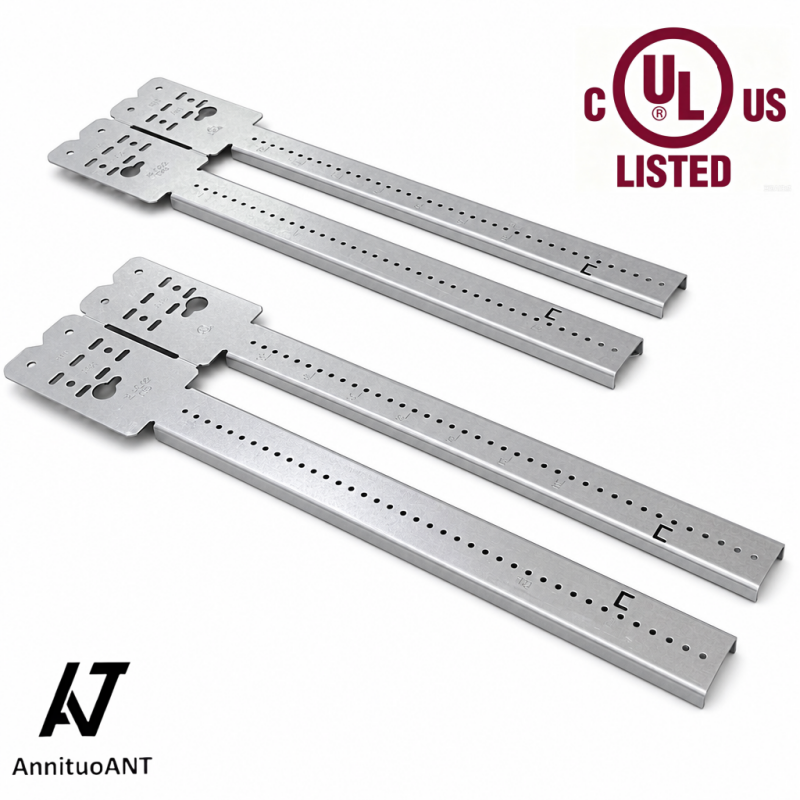
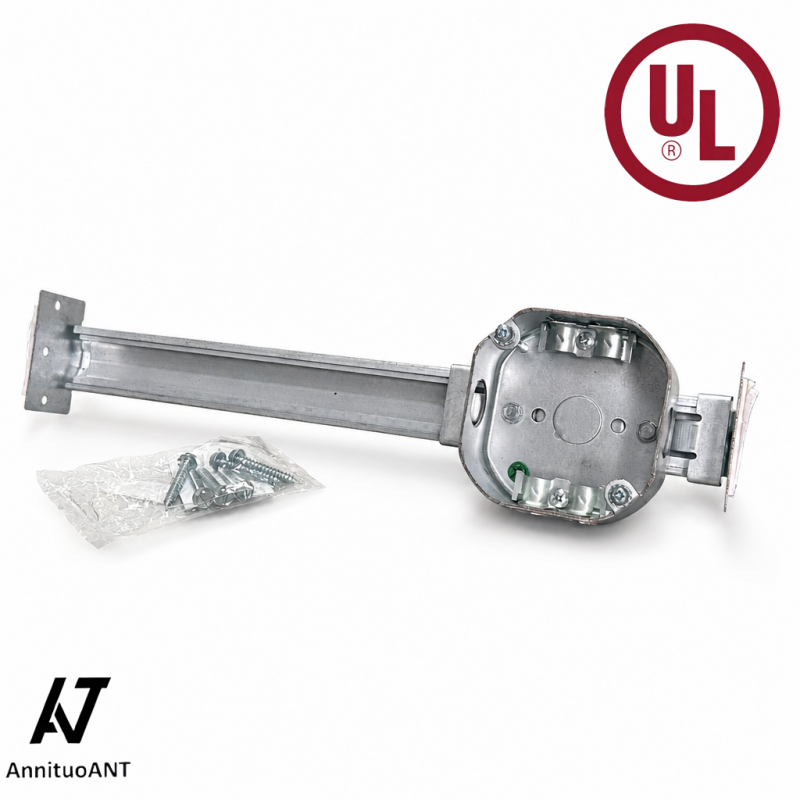
Mounting Options: Different electronic boxes come with varied mounting configurations. Ensure the chosen box can be easily mounted in your specific application, whether it’s on a wall, ceiling, or in a conduit system.
By understanding these specifications, you can better assess which electronic box aligns with your project requirements.
The cost of Anita electronic boxes can vary significantly based on several factors. Understanding these elements can help you budget effectively for your projects.
Material: As mentioned earlier, metallic boxes tend to be more expensive than their non-metallic counterparts due to the strength and grounding capabilities of metal. However, consider the long-term benefits of durability against initial costs.
Certifications: Products that meet UL/cUL and ETL/cETL standards may carry a premium price tag. These certifications ensure the boxes meet safety and performance criteria, making them worth the investment.
Customization: If you require custom waterproof junction box tailored to specific dimensions or features, anticipate higher costs. Custom solutions often involve additional design and manufacturing time.
Volume Discounts: Purchasing in bulk can lead to significant savings. Many manufacturers, including Jiaxing ANT Electrical Co., Ltd., offer discounts based on order quantities, so it’s beneficial to consider future projects when placing orders.
Shipping and Handling: Don’t forget to factor in shipping costs, especially if you are ordering from a manufacturer overseas. Understanding lead times and potential delays in shipping can also affect your overall costs.
By evaluating these cost factors, you can make more informed decisions that align with your budget and project goals.
Installation of electronic boxes can present challenges, but being aware of common issues can help mitigate risks.
Improper Sizing: One common mistake is selecting a box that is too small for the components being installed. This can lead to overcrowding and overheating. Always verify the dimensions and ensure adequate space for wiring and connections.
Inadequate Support: If the box is not securely mounted, it can shift or fall, leading to potential safety hazards. Use appropriate mounting hardware and follow installation guidelines to ensure stability.
Wiring Errors: Incorrect wiring can result in shorts or failures. Ensure that electrical connections are properly made and that wires are not pinched or damaged during installation.
Moisture Exposure: For outdoor installations, using a non-weatherproof box can lead to moisture ingress, damaging electrical components. Always choose boxes rated for outdoor use if applicable.
To avoid these installation problems, thorough planning and attention to detail are essential. Consulting with a qualified electrician or using installation guides can also improve outcomes.
The material of an Anita electronic box has a significant impact on its performance and longevity. Here are the advantages of the two main material types.
Metallic Boxes:
Durability: Metal boxes are robust and can withstand physical impacts, making them suitable for industrial environments.
Grounding: They provide excellent grounding, reducing the risk of electrical shock and ensuring compliance with safety regulations.
Heat Resistance: Metal can dissipate heat effectively, which is crucial in applications where heat buildup is a concern.
Non-Metallic Boxes:
Corrosion Resistance: These boxes are typically made from materials like PVC or fiberglass, which resist corrosion and are ideal for humid or corrosive environments.
Lightweight: Non-metallic boxes are lighter, making them easier to handle and install, particularly in residential settings.
Cost-Effective: Generally, non-metallic boxes tend to be less expensive than metallic options, providing a cost-effective solution for many applications.
Understanding the material advantages can help you select the right electronic box that meets your durability and safety requirements.
Choosing the right supplier for Anita electronic boxes is critical for ensuring quality and reliability. Here are some expert tips for evaluation:
Certification Verification: Check if the supplier's products are certified by recognized standards such as UL/cUL or ETL/cETL. This ensures that the products meet safety and performance criteria.
Manufacturing Experience: Consider suppliers with a proven track record in the industry. Companies like Jiaxing ANT Electrical Co., Ltd., with 14 years of experience, often provide insights and expertise that can enhance your purchasing decisions.
Customization Capabilities: If your project requires specific modifications, ensure the supplier can accommodate customization requests. Discuss their capabilities and lead times for custom orders.
Quality Control Processes: Inquire about the supplier's quality control measures. A reliable supplier will have stringent inspection processes in place to ensure that every product meets quality standards.
Customer Support: Evaluate the level of customer service offered by the supplier. Prompt and knowledgeable support can make a significant difference in resolving issues or answering questions during the purchasing process.
By carefully assessing suppliers based on these criteria, you can find a trustworthy partner to meet your outdoor outlet box needs effectively.