 EN
EN
When it comes to electrical conduit pipe fittings, knowing the right testing certifications is really important. These certifications make sure the fittings are safe and works good in different electrical systems. At Anita, we always try to give high-quality products that meet these standards. The testing can check many things like strength, how long it last, and resistance to some elements. So when you pick fittings with proper certifications, you can feel more sure they will perform well and stay for long time.
Where to Find Reliable Testing Certifications for Electrical Conduit Pipe Fittings?
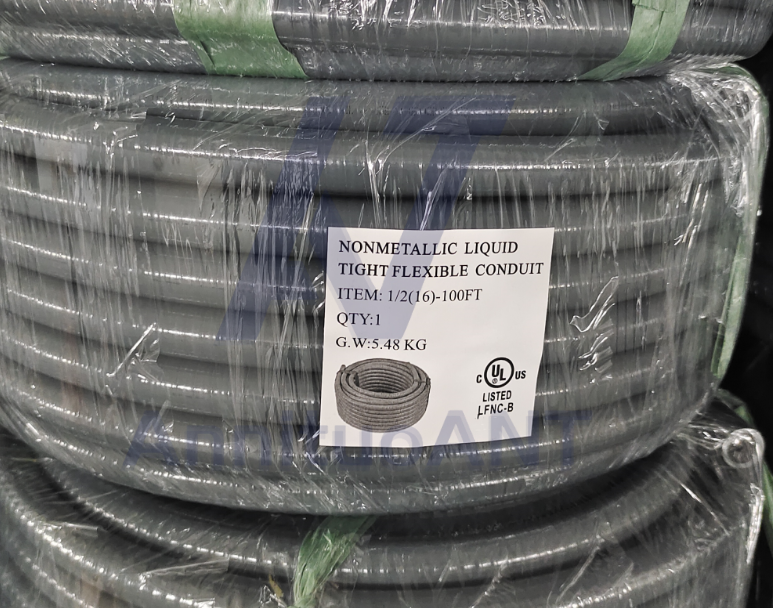
Finding good testing certifications for conduit pipe fittings sometimes can be little tricky, but there is some places to start. One best way is go to official websites of organizations that care about electrical safety. They make the rules which manufacturers need follow. On their sites, you can see lists of certified products and what certifications they have. Another easy way is check the product packaging because many makers, including Anita, put the certification marks right on the fittings. This help customers see quickly that it meets safety standards. And also better to ask seller or manufacturer for documents. They should give proof that products was tested and certified, maybe with reports about tests and results. Some common standards are UL (Underwriters Laboratories), ANSI (American National Standards Institute), and ISO. If fitting have one of these, it mean it passed strict tests. Always look for such certifications when shopping for electrical conduit fittings, specially if safety and quality matters to you.
What Are the Common Usage Issues with Electrical Conduit Pipe Fittings?
Electrical conduit pipe fittings are very useful, but they can have some usual problems during use. One big issue is bad installation. If not installed correct, it can cause leaks or even short circuits, which is dangerous! Always follow manufacturer instructions carefully. Another problem is corrosion, specially with metal fittings. Over time moisture make metal rust and weaken it. So if you use in wet places, better choose corrosion-resistant ones. Also sometimes people pick wrong size fitting. If too small or too big, it wont hold conduit properly and make loose connections that cause electrical trouble. And people often forget check compatibility with conduit material. Different materials need different fittings, using wrong one can be serious. By knowing these common issues, users can avoid them and make electrical systems work safe and efficient.
Important Testing Standards for Flexible Electrical Conduit Fittings
When wholesale buyers look for electrical conduit pipe flexible fittings, its very important know what testing standards to check. These standards are like rules to make sure products safe and function well. One key is National Electrical Code (NEC), used in many places for keep electrical systems safe. It give guidelines how products should be made and used. Another big one is UL certification. When see this label, it means tested and safe. For conduit fittings, UL 514B is important standard that make sure fittings handle connections without problems. Also ANSI sets standards for quality and safety. Buyers should look for weather resistance testing if fittings used outside, so they can stand rain, snow etc without break. And check for high temperature handling because electrical parts get hot. Products with these standards are safer and reliable, very crucial for any project.
Why Testing Certifications Matter for Conduit Pipe Fittings
Testing certifications are very important for electrical conduit pipe fittings. They help ensure products safe and work as should. When buy fittings with good certifications, you trust they checked by experts. This make less chance to fail, prevent accidents or fires. For example if fitting not made right, electricity can escape which dangerous. Certified ones handle loads good and made from quality material, so last longer. For businesses using certified products important too. If use non-certified and problem happen, company can get sued or lose trust. But with certified, reputation stay strong and workers safe. For brand like Anita, having certifications show we care about quality and safety. Customers feel confident buying our fittings because they meet standards. In short, testing certifications give safety, reliability and peace of mind.
Steps to Ensure Compliance with Conduit Fitting Certifications
To make sure compliance with testing certifications for electrical conduit pipe fittings, buyers should do several steps. First research manufacturers. Look for companies like Anita with good reputation for quality. Checking reviews from others help find trustable brands. Next ask for documents prove tested and certified. Good manufacturers give this easy. If not find, maybe red flag. You can contact manufacturer direct to ask about testing process. This give better idea of quality. Also compare different products by their certifications to choose best. And stay updated because standards change sometime, so follow latest. Join industry groups or newsletters help with that. Finally work with suppliers specialize in electrical stuff. They know about certifications and guide better decisions. By these steps, buyers can pick conduit pipe electrical that meet all testing certifications, for safe and reliable projects.
Table of Contents
- Where to Find Reliable Testing Certifications for Electrical Conduit Pipe Fittings?
- What Are the Common Usage Issues with Electrical Conduit Pipe Fittings?
- Important Testing Standards for Flexible Electrical Conduit Fittings
- Why Testing Certifications Matter for Conduit Pipe Fittings
- Steps to Ensure Compliance with Conduit Fitting Certifications