
 EN
EN
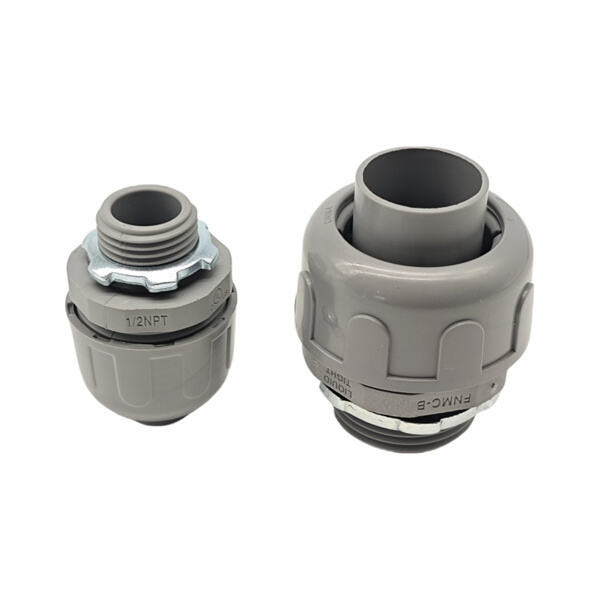
Liquidtight conduits are really important thing in commercial building works. They protect the electrical wires and cables from water or other liquids getting in. This protection matter a lot because it stop short circuits and keep the whole building more safe. When picking the right conduit, its essential to check for certifications. Those certifications show the product meet quality rules. At Anita, we know how big deal is to use good reliable materials for construction jobs. This article going to talk about main liquid-tight conduit certifications and how you can choose the best one for what you need.
What Are the Top Liquidtight Conduit Standards for Quality?
When talking about liquid tight electrical conduit, there is few key certifications everyone should know. One of most known is NEMA certification from National Electrical Manufacturers Association. NEMA make sure conduits are build from materials that can handle tough conditions. Especially important in factories or outside places where moisture always around. Another big one is UL mark from Underwriters Laboratories. This mark mean the conduit got tested for safety and how it performs. Products with UL label follow strict safety guidelines. There is also ANSI certifications from American National Standards Institute. ANSI put standards for many products including these conduits. Those standards help make sure conduits can take high pressure and very hot or cold temps. Choosing conduits with these certifications give you peace of mind. They guarantee the product last long and protect electrical system good. For example, if your project in wet place, better look for NEMA and UL certified ones. These help your installation stay safe and work reliable. So in short, always check this certifications to get best liquid tight conduits for commercial needs.
How to Choose Right Liquidtight Conduit for Commercial Use
Choosing correct liquid-tight conduit can look complicated, but it don’t have to. First think about where you going to use it. Outdoor, indoor or maybe in factory? Each place got different requirement. Like if for outside, you need ones resistant to UV so they don’t break from sun. Also size of conduit is important. It must fit the cables you plan install. If too small, hard to put wires inside. If too big, maybe not protect enough. Next thing is material. Liquid-tight conduits come in PVC or metal types. PVC usually lighter and easy work with, metal give more strength and last longer. And don’t forget check certifications like NEMA, UL or ANSI as we said before. Those make sure quality high. At Anita we suggest talk with good supplier about your project. They can help find best conduit for exactly what you need. Finally consider price. Sure stay in budget important, but good quality conduits save money later because avoid problems. So take time, research little, choose smart!
Common Certification Issues with Liquid-Tight Conduits in Commercial Construction
When do commercial construction, understanding liquid-tight conduit certifications very key. These make sure conduits safe and work well. But some common problems happen with certifications. One big issue use wrong type conduit for job. Every project different, not all conduits same. If contractor pick one not meet standards, trouble come later. For example if not real liquid-tight conduit, water get in and damage wires. This can cause power out or even fire which dangerous. Another problem not keep records of certifications. Contractors need have all papers prove conduits meet rules. If inspection come and no proof, maybe fine or redo work. Also some workers not trained good to know why certifications matter. If they don’t understand which ones certified, mistakes happen and affect whole project. To avoid this, everyone in team need communicate well. Work together use right materials and keep records straight. At Anita we think know and follow liquid-tight conduit certifications necessary for safe successful project.
How Liquid-Tight Conduit Certifications Affect Cost and Compliance
The effect of liquid-tight conduit certifications on cost and following rules is big. When project use certified conduits, it avoid extra money spend later. If not certified, maybe get fines for not follow local building codes. Fines add up fast and hurt budget. Also non-certified stuff can break and need repair. If conduit fail cause no proper certification, work stop until fix. This delay project and cost more for labor material. On other side, certified liquid-tight conduits save cash. They made last longer and handle conditions better. So after install, less worry replace soon. Also certified materials help get insurance easier. Insurance look for safety standards, right certifications make it cheaper. Plus when sell or rent building later, buyers like know everything safe and meet standards. Using certified make project more attractive. At Anita we always tell clients invest in certified liquid-tight conduits for follow rules and save cost long term.
Types of Liquid-Tight Conduits That Meet Modern Industry Certifications
There several kinds liquid-tight conduits meet latest industry certifications, each have own benefits. One usual type is flexible non-metallic conduit, lightweight and simple install. This one good where movement or vibration, because bend without break. Also resist moisture so perfect for outdoor or wet areas. Another is rigid metal conduit which give extra strength protect wires. Often use in industrial places with harsh condition. Important make sure rigid metal ones certified for liquid tight fittings. Then PVC conduit popular cause cheap and not corrode. Easy work with and fit many projects. But always check PVC meet liquid-tight certifications. Also there new types coming to fit industry changes. Some maybe perform better or eco friendly. When pick type for project, must look latest certifications. At Anita we committed provide only best reliable liquid-tight conduits meet all standards, so clients finish projects safe and efficient.
Table of Contents
- What Are the Top Liquidtight Conduit Standards for Quality?
- How to Choose Right Liquidtight Conduit for Commercial Use
- Common Certification Issues with Liquid-Tight Conduits in Commercial Construction
- How Liquid-Tight Conduit Certifications Affect Cost and Compliance
- Types of Liquid-Tight Conduits That Meet Modern Industry Certifications