 EN
Quick Links
Wiring boxes are essential components in electrical installations, providing safe and reliable housing for wiring connections. For B2B buyers, ensuring the quality and suitability of Anita junction box outside products is crucial, as they directly impact the overall safety and efficiency of electrical systems. This article will clarify critical considerations surrounding Anita outdoor outlet box, including quality standards, supplier reliability, cost factors, installation challenges, and the distinctions between metallic and non-metallic options.
Quality standards typically address several key specifications, including material durability, fire resistance, and environmental safety. For instance, a wiring box made of non-metallic materials may not only be lighter and easier to install but also provide a higher resistance to corrosion, which is essential in humid environments. Buyers should evaluate these specifications based on the intended application, as unsuitable materials can lead to premature failure or safety hazards.
Furthermore, quality control processes are critical in manufacturing. A thorough inspection of raw materials, in-process checks, and final product testing can help ensure that the wiring boxes meet the required specifications. Buyers of Anita waterproof outdoor electrical box should inquire about the manufacturer's quality assurance protocols to gain confidence in the products they purchase.
Finding a reliable supplier for wiring boxes involves researching manufacturers with a proven track record and positive customer feedback. Trade shows, industry publications, and online directories can be valuable resources for identifying potential suppliers. Engaging with manufacturers like Jiaxing ANT Electrical Co., Ltd. can be advantageous, given their 14 years of experience and a wide range of over 1,000 products.
It's essential to verify a supplier's certifications, production capabilities, and customer service reputation. Requesting samples can provide insight into the quality and suitability of the products. Additionally, consider the supplier's ability to offer customization options, as this can help meet specific project requirements.
Building a relationship with a supplier who understands your needs can facilitate better pricing, quicker responses, and improved collaboration on future projects. Always ensure that the supplier has relevant experience in your industry, as this can affect their understanding of your specific requirements.
When planning to order wiring boxes in bulk, several cost factors should be considered. Pricing typically depends on the quantity, material, and any customization requirements. Manufacturers often provide discounts for larger orders, but it’s essential to evaluate the total cost of ownership, which includes shipping, handling, and potential installation expenses.
For example, while a lower-priced wiring box may seem appealing, it may not meet the necessary quality standards, leading to higher costs in repairs or replacements down the line. Buyers should also consider the minimum order quantity (MOQ) requirements set by suppliers, as this can impact overall project budgets.
Additionally, understanding lead times is vital. Longer lead times may affect project schedules, so it’s advisable to discuss production timelines with suppliers upfront. This proactive approach can help avoid delays and ensure that your project remains on track.
Installation challenges with wiring boxes can arise from various factors, including improper sizing, inadequate support, and environmental conditions. One common issue is the misalignment of mounting holes, which can complicate installation. To mitigate this, ensure that the wiring boxes are compatible with the mounting hardware and installation environment.
Another frequent problem is related to moisture exposure, particularly in outdoor or damp environments. Selecting a wiring box rated for moisture resistance is crucial to prevent corrosion and ensure long-term performance. Buyers should also be aware of the installation environment, as extreme temperatures can affect the material integrity of non-metallic boxes.
Lastly, proper sealing and sealing methods are essential to prevent dust and moisture ingress. Buyers should verify that the wiring box design includes effective sealing features or consider additional sealing products during installation.
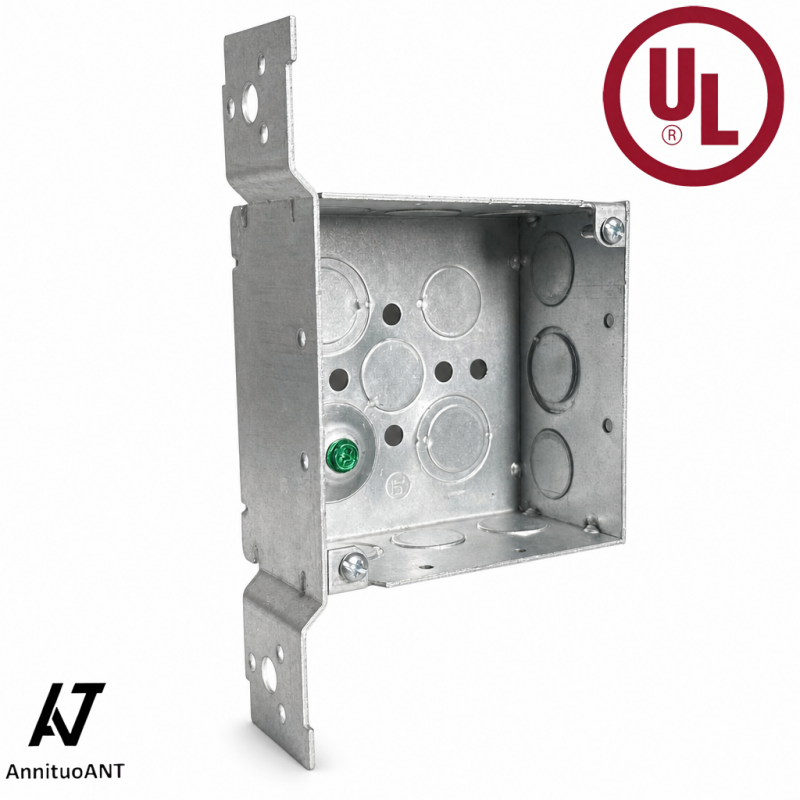
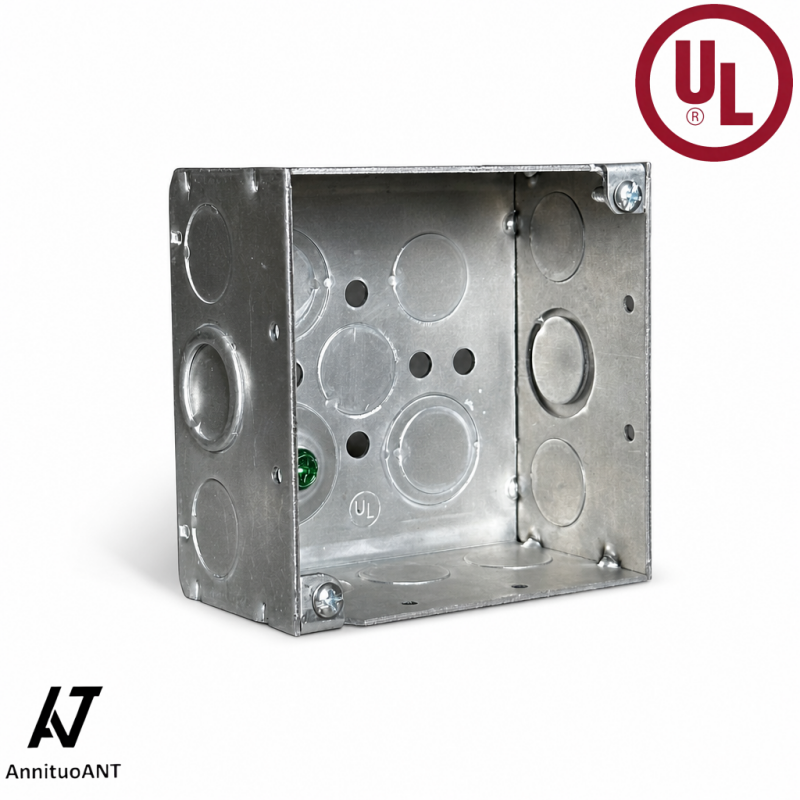
When choosing between metallic and non-metallic wiring boxes, several performance factors should be considered. Metallic boxes, typically made from steel or aluminum, offer greater strength, durability, and fire resistance. They are ideal for applications in industrial environments or where impact resistance is crucial. However, they can be heavier and may require additional grounding measures.
On the other hand, non-metallic wiring boxes, often made from PVC or other plastic materials, are lighter and easier to install. They are resistant to corrosion and are suitable for use in humid or wet conditions. However, buyers should be aware that non-metallic boxes may not provide the same level of strength as their metallic counterparts.
Ultimately, the choice between metallic and non-metallic wiring boxes depends on the specific application requirements, including environmental conditions, expected load, and installation preferences. Buyers should carefully assess these factors to determine which option best aligns with their project needs.
In summary, understanding wiring boxes—ranging from quality standards and supplier reliability to cost factors and installation challenges—can significantly improve purchasing decisions. By taking a thorough approach to evaluating these aspects, buyers can ensure they select the right wiring boxes for their specific applications.