EN
Quick Links
Weatherproof boxes are essential components for protecting electrical connections and equipment from the elements, ensuring safety and functionality in various applications. For B2B buyers, the primary concerns often revolve around durability, compatibility, and compliance with industry standards. This article will guide you through the critical considerations when selecting outdoor weatherproof box, addressing specifications, quality assessment, and common issues, enabling you to make informed purchasing decisions.
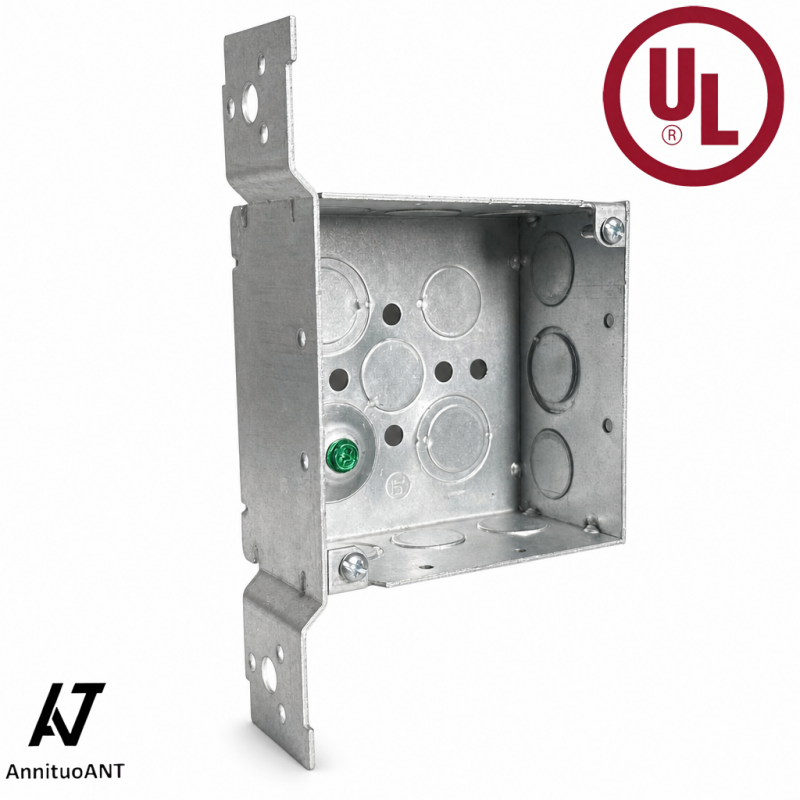
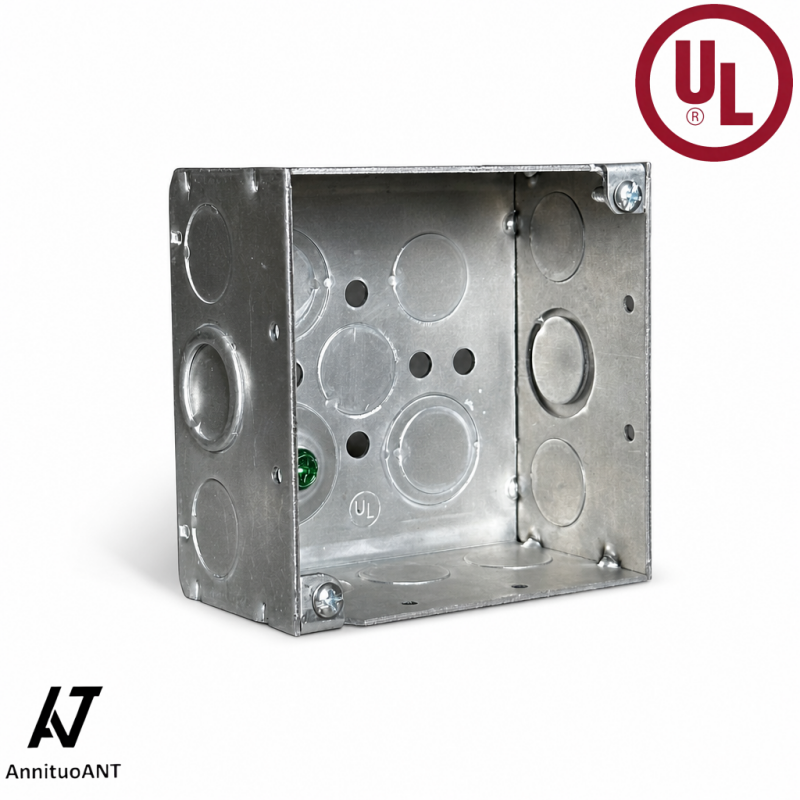
Selecting the appropriate Anita weatherproof box involves understanding the specific requirements of your project. Key factors include the environment where the box will be installed, the type of electrical components it will house, and local building codes. For instance, if the installation site is exposed to harsh weather conditions, such as heavy rain or high humidity, opting for a box made from durable materials like fiberglass or high-impact plastic is advisable. Conversely, if the installation requires grounding, a metallic box may be more suitable.
Moreover, consider the size and capacity of the box. Ensure that it can accommodate the necessary wiring and components while allowing for future expansions. It’s also essential to verify that the weatherproof switch box meets relevant certifications, such as UL/cUL or ETL/cETL standards, to ensure compliance and safety.
For businesses looking to purchase weatherproof boxes in bulk, wholesale options can provide significant cost savings. When engaging with suppliers like Jiaxing ANT Electrical Co., Ltd., it’s crucial to discuss minimum order quantities (MOQs) and available discounts based on order size. Additionally, inquire about lead times and shipping arrangements to ensure timely delivery for your projects.
When sourcing wholesale weatherproof boxes, consider asking suppliers about customization options. Many manufacturers offer tailored solutions, allowing you to specify dimensions, materials, and additional features like mounting options or pre-drilled holes to suit your project needs.
When evaluating Anita weatherproof boxes, several specifications should be carefully considered:
Material: The choice between metallic and non-metallic materials affects durability and resistance to environmental factors. Non-metallic boxes are often lighter and more resistant to corrosion, while metallic options provide better grounding and are more robust against physical impacts.
Ingress Protection (IP) Rating: This rating indicates the level of protection against dust and water. For outdoor applications, look for a box with a higher IP rating (e. g., IP65 or IP66) to ensure it withstands moisture and debris.
Temperature Range: Depending on the installation environment, ensure the box can operate within the required temperature range, preventing deformation or failure of internal components.
Size and Capacity: Confirm that the dimensions and internal volume of the box accommodate all necessary electrical components while adhering to local code requirements for wire fill.
By focusing on these specifications, you can ensure that the weatherproof box you select will perform reliably throughout its intended lifespan.
Quality assessment is vital when selecting weatherproof boxes, as it directly impacts their reliability and performance. Start by verifying the manufacturer’s reputation and certifications. A company like Jiaxing ANT Electrical Co., Ltd., with over 14 years of experience and extensive certifications, provides added assurance of product quality.
Next, conduct a physical inspection of samples if possible. Check for any signs of defects, such as uneven seams or poor finishes, which could compromise the box’s integrity. Additionally, inquire about the manufacturer’s quality control processes, including testing procedures that ensure each outlet weatherproof box meets the required specifications and standards.
Lastly, consider seeking feedback from previous customers or reviewing case studies that demonstrate the box's performance in real-world applications. This firsthand insight can be invaluable in assessing product reliability.
Despite their robust design, weatherproof boxes can encounter several common issues. Understanding these problems and their solutions can help you mitigate risks effectively:
Seal Failures: Over time, the seals on weatherproof boxes can degrade, leading to moisture ingress. Regular inspections and maintenance can identify early signs of wear. If necessary, consider applying sealant around edges during installation to enhance waterproofing.
Material Degradation: Exposure to extreme temperatures or UV light can weaken certain materials. Choosing high-quality, UV-resistant materials can significantly prolong the life of the box.
Improper Sizing: Using a box that is too small for the components can lead to overheating or electrical failures. Always verify the size requirements against local codes and account for future expansions.
Corrosion: Metallic boxes, if not properly coated, may corrode over time, especially in coastal areas where salt exposure is high. Opt for corrosion-resistant finishes or non-metallic alternatives when necessary.
By being aware of these potential issues and implementing proactive measures, you can ensure that your weatherproof boxes remain functional and safe throughout their service life.
Through careful consideration of specifications, quality evaluation, and an understanding of common challenges, B2B buyers can confidently select Anita weatherproof boxes that meet their project needs while ensuring compliance and reliability.