EN
Quick Links
Schedule 40 PVC fittings are essential components in various plumbing and construction applications, providing a reliable means of connecting pipes and ensuring efficient fluid flow. As a purchasing manager or engineer, understanding the specifications and applications of these fittings is crucial for making informed decisions. This article will delve into the key aspects of Anita electrical pvc fittings, addressing common buyer concerns and practical insights to help optimize your purchasing process.
Schedule 40 PVC fittings are designed for use with PVC pipes that conform to specific pressure ratings. The "Schedule 40" designation indicates the wall thickness and pressure rating, which is crucial for ensuring the fittings can withstand the operational demands of various applications. Common specifications include:
Diameter: Available in a range of sizes, typically from ½ inch to 12 inches, allowing for compatibility with different pipe dimensions.
Material: Made from polyvinyl chloride (PVC), known for its durability, corrosion resistance, and lightweight properties. Ensure that the material is compliant with relevant standards for your specific application.
Pressure Rating: Schedule 40 fittings are rated for a maximum pressure of 140 psi at 73°F. Buyers should consider the operating conditions of their application to ensure compatibility.
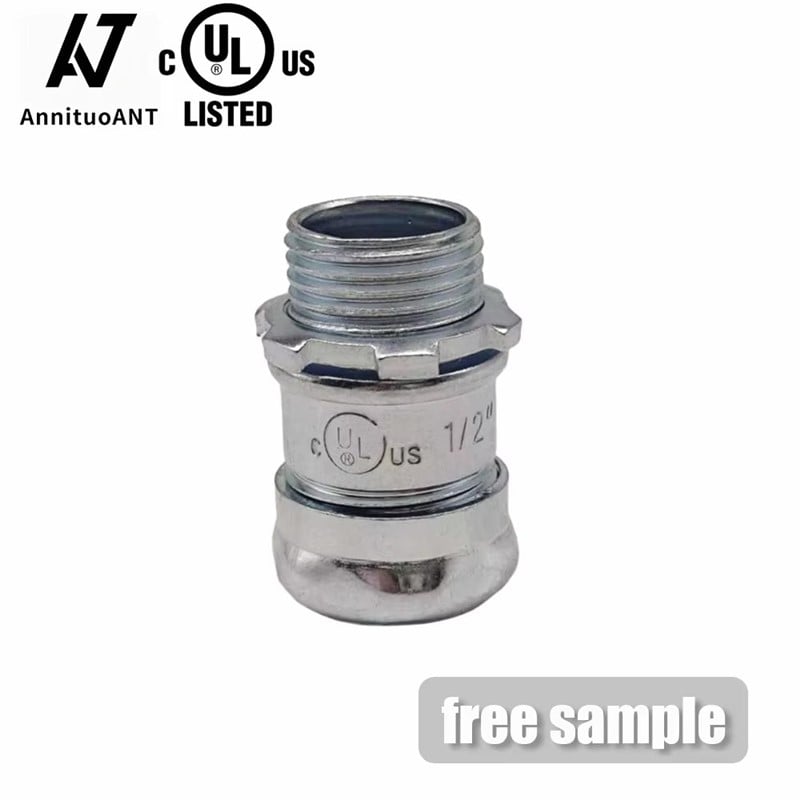
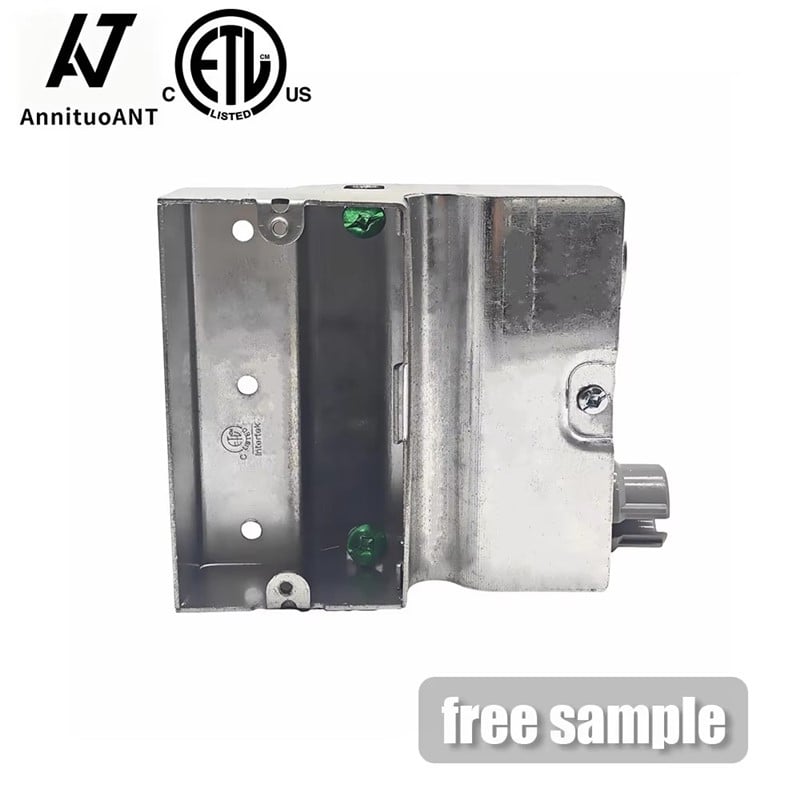
Certifications: Look for certifications such as UL/cUL and ETL/cETL, which indicate that the fittings meet specific safety and performance standards.
Understanding these specifications is vital for ensuring that the fittings will perform reliably in your intended applications.
Proper installation of Schedule 40 PVC fittings is critical for ensuring a leak-free and durable system. Here are some key tips to consider:
Cutting Pipes: Use a pipe cutter for clean, straight cuts to ensure proper fitting alignment. Avoid using a hacksaw, as it can create burrs that may affect sealing.
Deburring: After cutting, deburr the edges of the pipe to remove any sharp edges or debris. This helps in achieving a proper seal and prevents damage to the fitting during installation.
Dry Fitting: Before applying adhesive, perform a dry fit of the fittings and pipes to ensure everything aligns correctly. This step allows you to make adjustments before finalizing the installation.
Adhesive Application: Use a quality PVC cement that is compatible with Schedule 40 fittings. Apply the adhesive evenly to both the fitting and the pipe, ensuring complete coverage for a strong bond.
Curing Time: Allow sufficient curing time as per the adhesive manufacturer's recommendations before applying pressure to the system. This ensures that the bond is fully set and reduces the risk of leaks.
By following these installation tips, you can enhance the reliability of your PVC fittings and minimize potential issues during operation.
When sourcing Schedule 40 PVC fittings, consider the following factors to ensure you select the right products for your needs:
Quality: Ensure that the fittings are manufactured with high-quality materials to withstand environmental factors such as UV exposure and chemical exposure. Checking for industry certifications can provide additional assurance of quality.
Compatibility: Verify that the fittings are compatible with the specific pipes and systems you are using. This includes checking the diameter, pressure ratings, and any additional requirements based on the installation environment.
Customization Options: Depending on your project requirements, you may need Anita customized pvc fitting elbow. Discuss available customization options with your supplier, including special sizes, shapes, or configurations.
Packaging and Shipping: Inquire about packaging methods to ensure that the fittings are protected during transit. Proper packaging will help prevent damage and ensure that you receive the products in excellent condition.
By focusing on these aspects, you can make informed decisions that align with your project specifications.
While Schedule 40 PVC fittings are generally reliable, issues may arise if not handled correctly. Here are common problems and their solutions:
Leaking Joints: This can occur due to improper adhesive application or failing to allow adequate curing time. Ensure that all joints are properly bonded and allow sufficient time for the adhesive to set before pressurizing the system.
Cracking: PVC fittings can crack due to excessive stress or exposure to extreme temperatures. Ensure that the fittings are appropriate for the environmental conditions they will face, and avoid over-tightening joints during installation.
Fittings Not Aligning: Misalignment can lead to leaks or system failure. Always perform dry fits before final assembly to ensure proper alignment and make adjustments as needed.
Brittleness Over Time: PVC can become brittle with prolonged exposure to UV light or certain chemicals. If your application involves outdoor exposure, consider using UV-resistant coatings or alternative materials for fittings.
By being aware of these common issues, you can take proactive steps to mitigate potential problems during installation and operation.
Schedule 40 PVC fittings find extensive use in various industrial applications, thanks to their durability and resistance to corrosion. Common applications include:
Water Supply Systems: Used in residential and commercial plumbing to transport potable water, Schedule 40 PVC fittings provide a reliable and cost-effective solution.
Wastewater Management: These fittings are ideal for wastewater systems, where their resistance to chemicals and corrosion enhances longevity.
Irrigation Systems: In agricultural settings, Schedule 40 PVC fittings are commonly used in irrigation systems, providing efficient water management solutions.
Chemical Processing: The durability of Anita sch 80 pvc fittings makes it suitable for transporting corrosive chemicals in industrial settings, where metal fittings may corrode.
Understanding the various applications of Schedule 40 PVC fittings helps ensure that you select the right products for your specific needs, ensuring optimal performance and reliability.
By focusing on these aspects of Schedule 40 PVC fittings, you can enhance your purchasing decisions and improve the performance of your construction or industrial projects.