 EN
Quick Links
When selecting PVC plumbing fittings for your projects, it's essential to understand their properties and applications. Anita plastic pipe plumbing fittings are crucial components in plumbing systems, offering durability, resistance to corrosion, and ease of installation. However, B2B buyers often face challenges in selecting the right products that meet specific requirements, such as compatibility with existing systems, quality standards, and cost efficiency. This article will guide you through the key considerations for choosing PVC plumbing fittings, evaluating quality and cost factors, finding reliable suppliers, and understanding the benefits for distributors and wholesale buyers of Anita plumbing pvc pipe fittings.
Choosing the right PVC plumbing fittings begins with understanding the application and the specific needs of your project. Consider the following factors:
Type of Fitting: Determine the required fitting type, such as elbows, tees, couplings, or reducers. Each type serves a different purpose in a plumbing system.
Size and Dimensions: Confirm the dimensions of the fittings to ensure compatibility with existing pipes. Standard sizes are available, but custom sizes may be necessary for specialized applications.
Material Specifications: While PVC is generally resistant to chemicals and moisture, the grade of PVC can vary. Make sure the fittings meet the necessary standards for your application, especially if they will be used in extreme conditions.
Pressure Ratings: Evaluate the pressure requirements of your plumbing system. PVC fittings come with different pressure ratings, and selecting fittings rated for higher pressures than your system requires can prevent failures.
Installation Environment: Assess the installation environment, such as temperature fluctuations or potential exposure to UV light. Anita plastic pipe plumbing fittings may require additional protection or specific coatings.
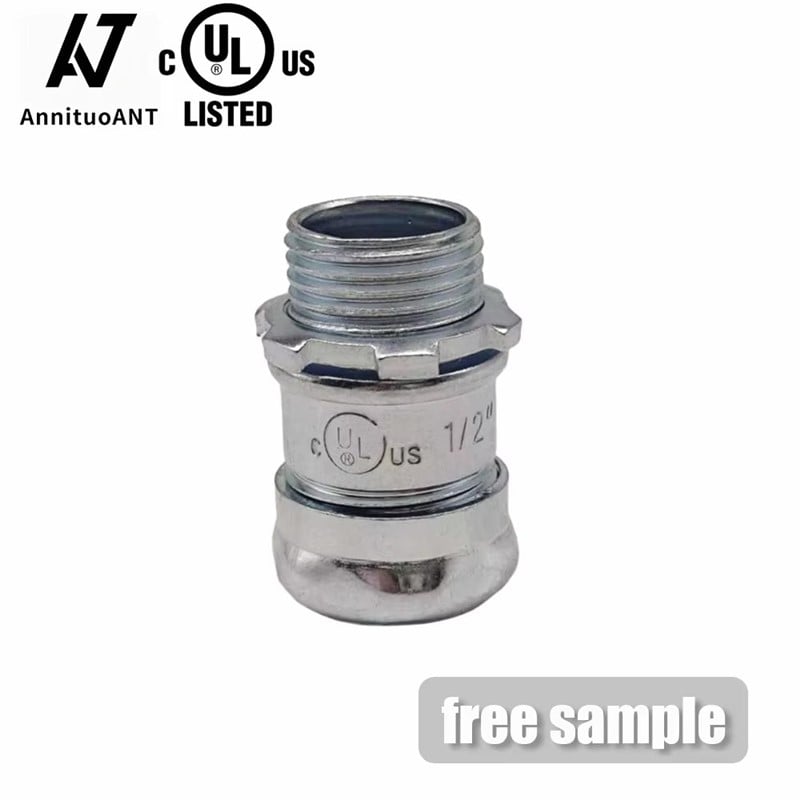
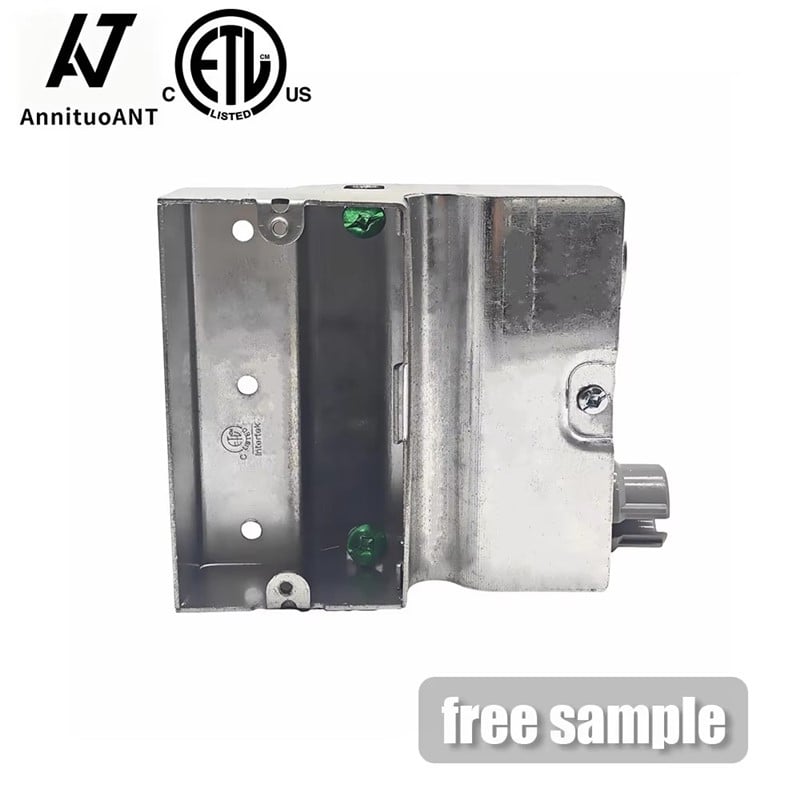
Certifications: Ensure that the fittings comply with relevant standards, such as UL/cUL and ETL/cETL certifications, to guarantee safety and performance.
By carefully evaluating these factors, you can select PVC plumbing fittings that will meet your project requirements effectively.
When sourcing PVC plumbing fittings, balancing quality and cost is crucial. Here are some considerations:
Material Quality: Higher-quality PVC fittings may come at a premium, but they often provide better durability and longevity, resulting in lower maintenance costs over time. Look for fittings made from virgin PVC, as recycled materials may compromise strength and reliability.
Manufacturing Processes: Understand the manufacturing processes used by suppliers. Injection molding, for example, typically results in more precise dimensions and better surface finishes compared to other methods. A well-established manufacturer, like Jiaxing ANT Electrical Co., Ltd., may have advanced production equipment that enhances product consistency.
Quality Control: Investigate the supplier's quality control processes. A robust quality assurance system ensures that all products meet specified tolerances and performance standards. Request documentation of these processes if necessary.
Pricing Structures: Consider the total cost of ownership, not just the initial purchase price. Factors such as shipping costs, lead times, and bulk discounts can significantly impact overall expenses. Large orders may provide opportunities for better pricing.
Supplier Reliability: Work with established suppliers who demonstrate a commitment to quality and customer satisfaction. This reliability can reduce risks associated with defective products and ensure timely delivery.
By weighing these quality and cost factors, you can make informed purchasing decisions that benefit your projects in the long run.
Finding reliable suppliers for PVC plumbing fittings requires careful research and evaluation. Consider the following strategies:
Industry Directories: Use online industry directories and trade platforms that list manufacturers and suppliers. Look for those with verified ratings and reviews from previous clients.
Trade Shows and Expos: Attend industry trade shows and expos to meet suppliers in person. This provides an opportunity to assess product quality firsthand and establish direct relationships with manufacturers.
Networking: Utilize professional networks and industry associations to seek recommendations for reputable suppliers. Colleagues in the field can often provide insights based on their experiences.
Certifications and Standards: Choose suppliers whose products are certified according to industry standards. This not only ensures quality but also demonstrates a commitment to regulatory compliance.
Request Samples: Before making a bulk order, request samples from potential suppliers. This allows you to inspect the quality of the fittings and confirm their suitability for your specific applications.
By employing these strategies, you can identify trustworthy suppliers that meet your needs for PVC plumbing fittings.
Distributors play a vital role in the supply chain for PVC plumbing fittings. Here are some benefits of focusing on quality and reliable suppliers:
Product Range: Working with manufacturers that offer a broad range of PVC fittings allows distributors to cater to various customer needs, from residential to commercial applications.
Brand Reputation: Partnering with reputable manufacturers enhances the distributor's credibility. Providing high-quality products helps build trust with customers and fosters long-term relationships.
Logistical Support: Reliable suppliers often have efficient logistics systems in place, ensuring timely delivery of products. This reduces lead times for distributors, enabling them to meet customer demands promptly.
Customization Opportunities: Distributors may find that some manufacturers offer customization options for fittings, allowing them to meet unique customer specifications or regional requirements.
Technical Support: Established manufacturers typically provide technical support to their distributors, helping them understand product specifications and applications, which can be valuable for sales efforts.
By collaborating with quality manufacturers, distributors can enhance their market position and improve customer satisfaction.
Wholesale buyers must be vigilant about quality when sourcing PVC plumbing fittings. Here are key considerations:
Inspection Criteria: Develop a checklist of specifications that must be met before accepting shipments. This may include dimensional tolerances, surface finishes, and pressure ratings.
Testing Protocols: Inquire about the testing protocols used by suppliers. Products should undergo rigorous testing for performance under various conditions to ensure they meet industry standards.
Documentation: Ensure that suppliers provide necessary documentation, including certificates of compliance and test results. This documentation can be critical for regulatory compliance and quality assurance.
Return Policies: Understand the supplier's return policies in case the products do not meet quality expectations. A clear return policy mitigates risks associated with defective or non-compliant fittings.
Long-term Performance: Consider the long-term performance of the fittings in the intended application. PVC fittings should provide reliable service over time, minimizing the risk of leaks or failures.
By focusing on these quality aspects, wholesale buyers can make informed decisions that lead to successful procurement of PVC plumbing fittings.
Through this comprehensive guide, B2B buyers can navigate the complexities of selecting and sourcing PVC plumbing fittings. By understanding the key factors involved, you can ensure that your projects are equipped with reliable and high-quality plumbing solutions.