 EN
EN
Quick Links
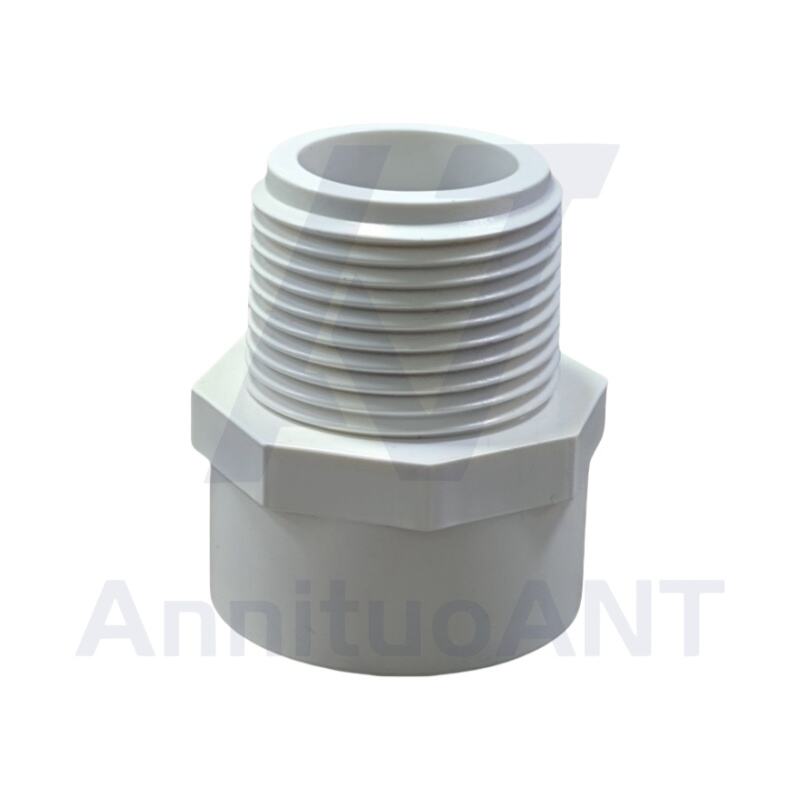
Plastic PVC drain fittings are essential to a drain system, and they must be the proper size. These fittings are connected directly to a PVC pipe. Used widely in homes and commercial buildings, these fittings serve to make sure that the water flows out of the building in a proper manner and to protect the building from damage caused by wastewater What will you learn here? The different types of PVC drain fittings How to install PVC drain fittings correct How to use them Benefits of using PVC drain fittings Common problems and easy DIY fixes using PVC drain fittings Routine maintenance of conduit fittings to keep them in good working order If you are looking to know about PVC drain fittings, you have come to the right place.
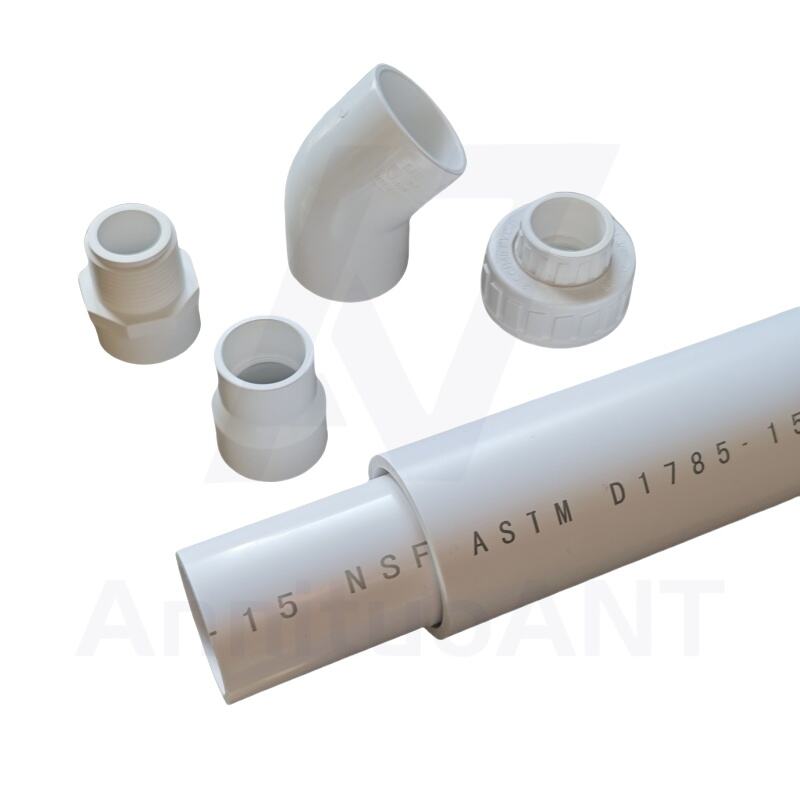
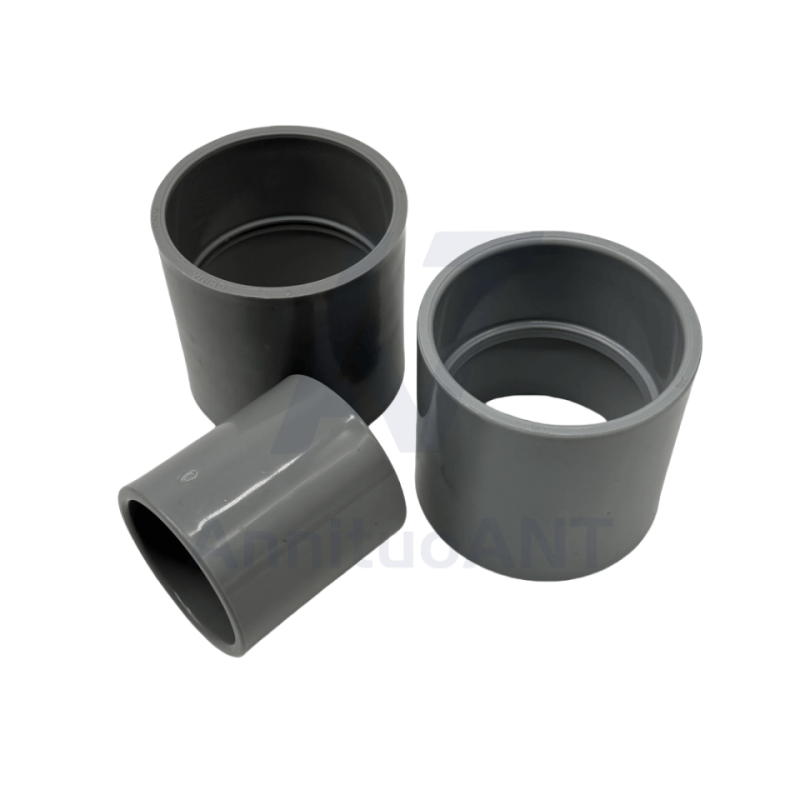
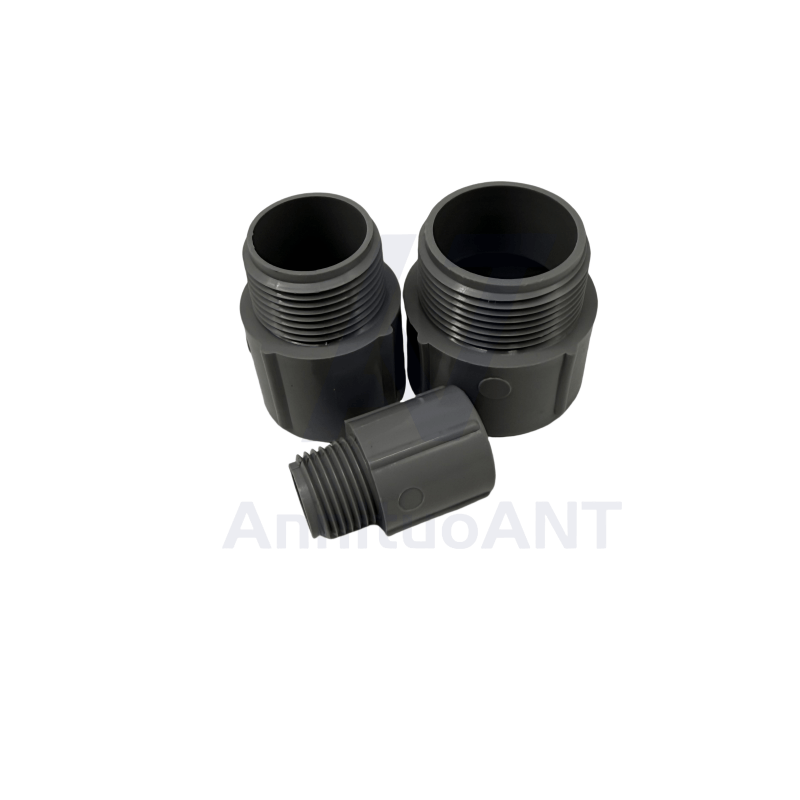
PVC drain fittings used in plumbing. Some of the most popular are couplings, elbows, tees, and reducers. Where couplings join two pipes, elbows are designed to curve a pipe. Tees turn a pipe into a branch, and reducer allows for a change in pipe size. You want to select the fitting you need for the job so your plumbing systems work at its best.
If you want to install Anita PVC drain fittings, you'll first have to cut open the pipe and then attach the fittings. First, make the pipe clean and place it into the fitting. Prime and glue the pipes and fittings, giving them a good squeeze and holding for a few seconds for the glue to set. Make sure the connections are properly seated and tight to avoid leaks. When you’re fitting the conduit pipe fittings, be sure to adhere to any special instructions you have from the manufacturer.
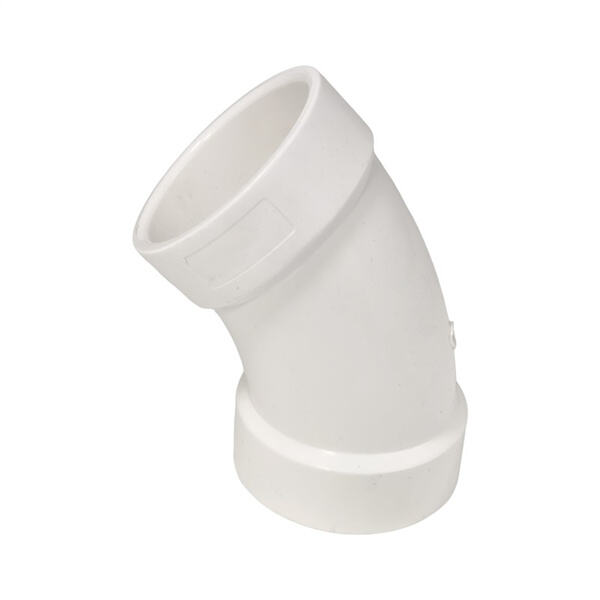
There are many advantages of PVC drain fittings in a household plumbing system. PVC pipe fittings are made durable and long lasting to use for many years and do not wear easy. They are light weight and easy to work with which makes it a great material for DIY projects. PVC fittings resist chemicals and corrosion and will prevent clogs and backups in the plumbing system. Not to mention, PVC fittings are low cost and easy to find at any hardware with a decent plumbing section.
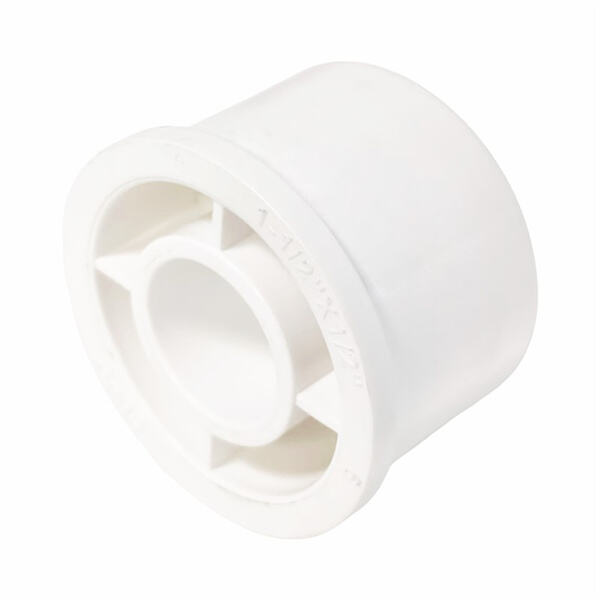
Anita PVC drain fittings have many advantages, but they occasionally develop problems that require troubleshooting. Leaking, clogging, and bad installation are all common. Verify that electrical conduit fittings are properly aligned and cemented together with adhesive. You can unclog a clog with a plumbing snake or drain cleaner. If it continues to be a problem, it may need to be replaced entirely. PVC drain fittings should be repaired as soon as issues are identified to avoid additional harm to the plumbing system.
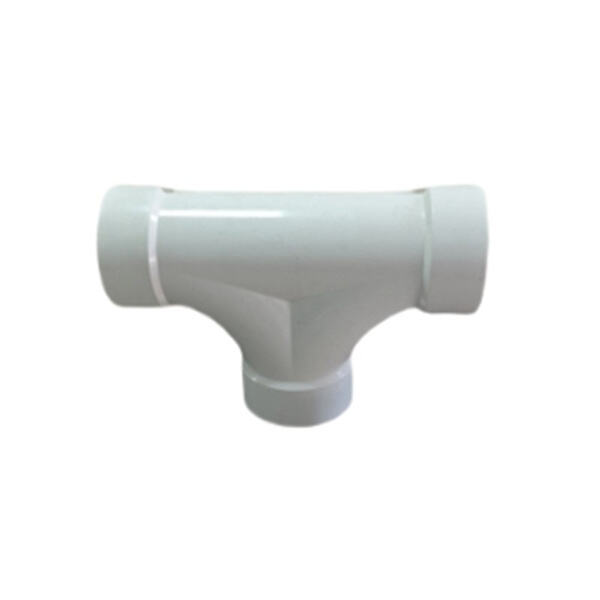
Maintaining and cleaning Anita PVC drain fittings is essential for keeping them in good working order. Check fittings occasionally for wear, chafed spots or cracks that could develop into leaks. Rinse with mild detergent and water or clean with a tissue to remove any dirt or debris on the fittings. Do not use anything abrasive or harsh on the PVC, it can scratch and discolor the material. Also make sure fittings are properly mated and sealed to each other so you don't have any leaks. If you follow these helpful tips, PVC drain fittings can carry on working efficiently, to make the plumbing system operate to your satisfaction.