 EN
Quick Links
Pulling elbows are essential components used in electrical conduit systems, allowing for directional changes in wiring installations. As a B2B buyer or purchasing manager, your main concerns may include compatibility, durability, and the overall quality of these fittings. This article will guide you through the important considerations when selecting pulling elbows, where to source them, their specifications, and common installation issues, helping you make informed purchasing decisions.
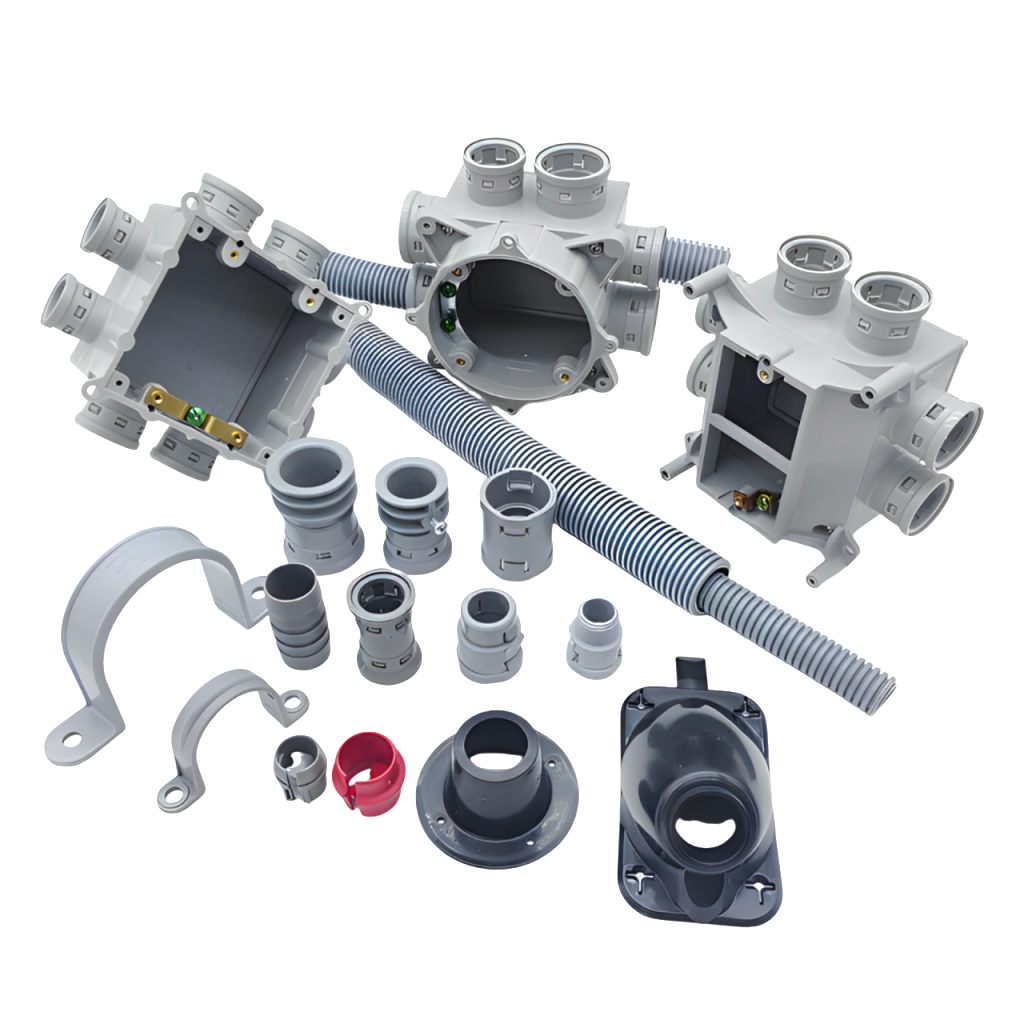
When selecting a pulling elbow, it is crucial to consider the specific requirements of your project. First, evaluate the conduit size and type you will be using, as pulling elbows come in various diameters and configurations to suit different applications. For instance, a standard pulling elbow may be appropriate for rigid metal conduit, while a non-metallic option is better suited for corrosive environments.
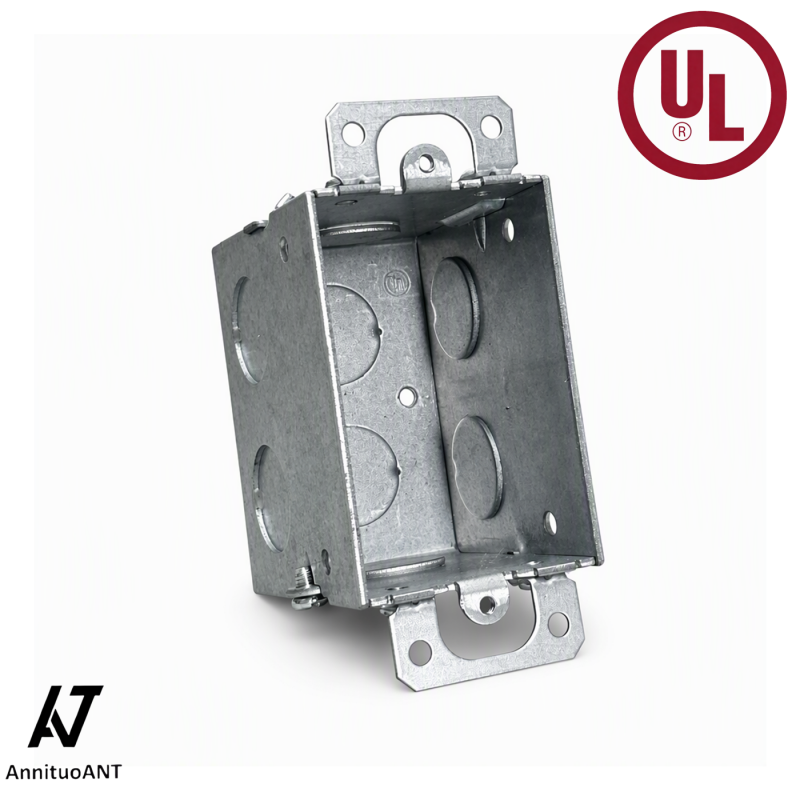
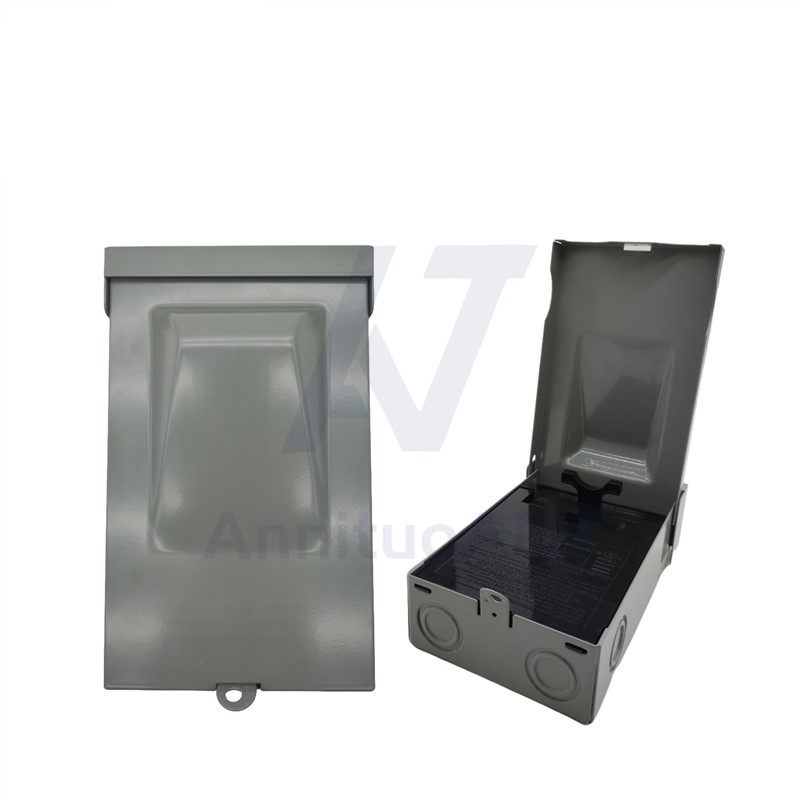
Next, consider the angle of the elbow. Standard angles are typically 90 and 45 degrees, but your project may require custom angles depending on installation constraints. Additionally, think about the environment where the pulling elbow will be installed. Factors such as exposure to chemicals, moisture, and temperature extremes can influence the material selection, making it vital to choose a product that can withstand these conditions. For example, if you are looking for reliable options, you might consider US Canadian Standards Metal Junction Box that can work well in various environments.
Lastly, ensure that the pulling elbow meets relevant certification standards, such as UL/cUL and ETL/cETL, which indicate compliance with safety and quality regulations. This is particularly important for commercial and residential construction projects, where safety is paramount.
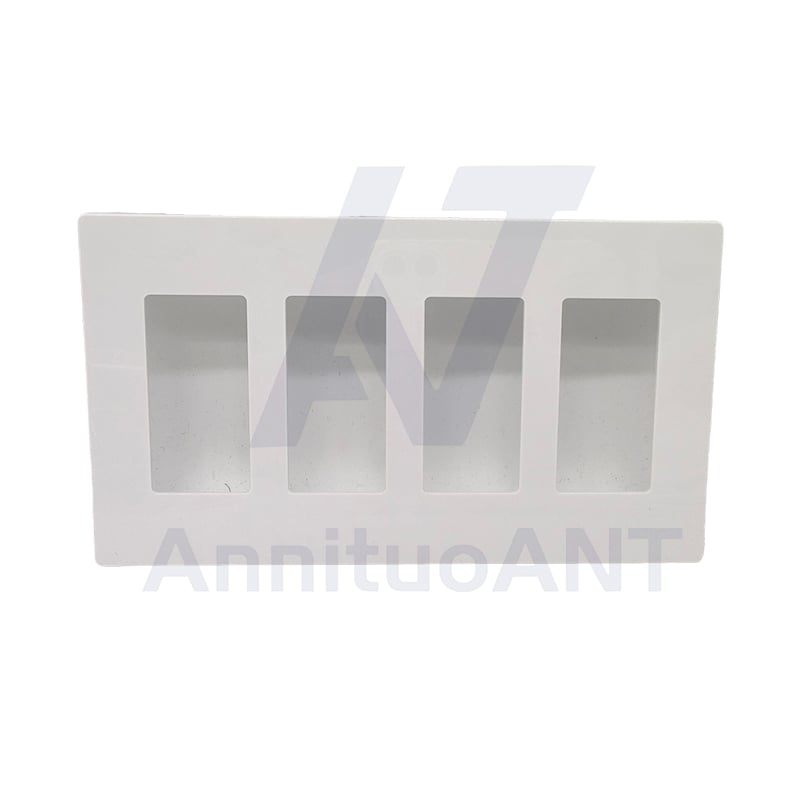
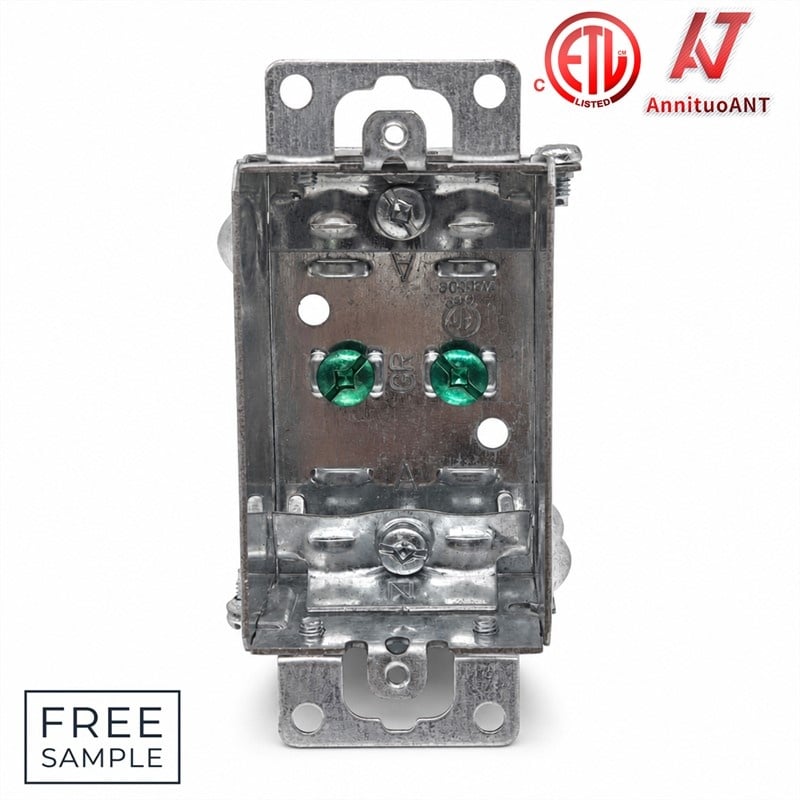
Sourcing quality pulling elbows in bulk requires identifying reliable suppliers with a proven track record. Start by researching manufacturers that specialize in electrical equipment, particularly those with experience in producing a diverse range of conduit fittings. Companies like Jiaxing ANT Electrical Co., Ltd., with over 14 years in the industry and a portfolio of more than 1,000 products, can provide not only standard items but also custom solutions to meet your specific needs. For instance, they offer CETL Listed 1-Gang Galvanized Steel Electrical Box that may be beneficial for your projects.
When evaluating suppliers, consider their manufacturing capabilities, including production equipment and quality control processes. A manufacturer with two factories and an annual revenue exceeding $10 million is likely to have the infrastructure necessary to handle large orders efficiently. Additionally, inquire about their lead times and minimum order quantities (MOQ) to ensure they align with your project timeline.
Don’t forget to request samples before placing a bulk order. This allows you to assess the quality and suitability of the pulling elbows for your application.
When assessing pulling elbows, focus on key specifications that determine their durability and performance:
Material Type: Pulling elbows can be made from metallic materials like steel or aluminum, or non-metallic materials like PVC. The choice depends on the application; for example, metallic elbows are often preferred in industrial settings due to their strength, while non-metallic options may be chosen for residential applications where corrosion resistance is critical.
Wall Thickness: The thickness of the elbow affects its strength and durability. Thicker walls generally provide better protection against impacts and environmental factors.
Dimensions: Ensure that the dimensions of the pulling elbow match your conduit specifications. This includes the diameter, bend radius, and overall length, which should accommodate the conduit without causing stress or strain.
Certification: As mentioned earlier, look for pulling elbows that are certified by recognized standards (e.g., UL, ETL). This not only ensures safety but also indicates that the product has undergone rigorous testing for performance.
By carefully considering these specifications, you can select pulling elbows that will perform reliably under the demands of your installation.

In addition to the specifications, several key factors will influence your choice of pulling elbows:
Application Requirements: Understand the specific needs of your project. For instance, if your installation involves tight spaces, you may need compact elbows that can navigate corners effectively.
Environmental Conditions: Evaluate the conditions the pulling elbows will face, such as moisture, chemicals, or extreme temperatures. This will guide your material selection and ensure longevity.
Installation Ease: Consider how easy the pulling elbow will be to install. Features such as pre-drilled holes or tapered ends can enhance installation efficiency.
Cost vs. Quality: While it might be tempting to opt for the cheapest option, remember that quality often correlates with durability and performance. Investing in higher-quality pulling elbows can save you money in the long run by reducing maintenance and replacement costs.
Even with the right pulling elbows, installation can present challenges. Here are some common issues and their solutions:
Misalignment: One frequent problem is misalignment during installation. Ensure that the conduit is properly aligned with the pulling elbow before fastening it in place. Using a level can help maintain straight lines and proper angles.
Over-tightening: Over-tightening can damage the pulling elbow or the conduit. Follow manufacturer guidelines for torque specifications and use appropriate tools to avoid this issue.
Incompatible Materials: Using pulling elbows made from incompatible materials can lead to corrosion or failure. Always match materials to ensure compatibility, especially between metallic and non-metallic components.
Insufficient Support: Ensure that pulling elbows are adequately supported. Lack of support can lead to sagging, which may stress the fittings over time. Consider using additional brackets or supports as necessary.
By anticipating these potential problems and having solutions in place, you can streamline the installation process and enhance the reliability of your electrical system.
In summary, choosing the right pulling elbow involves evaluating your project’s specific needs, sourcing from reputable manufacturers, and considering crucial specifications and installation factors. By following these guidelines, you can ensure that your electrical conduit installations are both efficient and durable.