EN
Quick Links
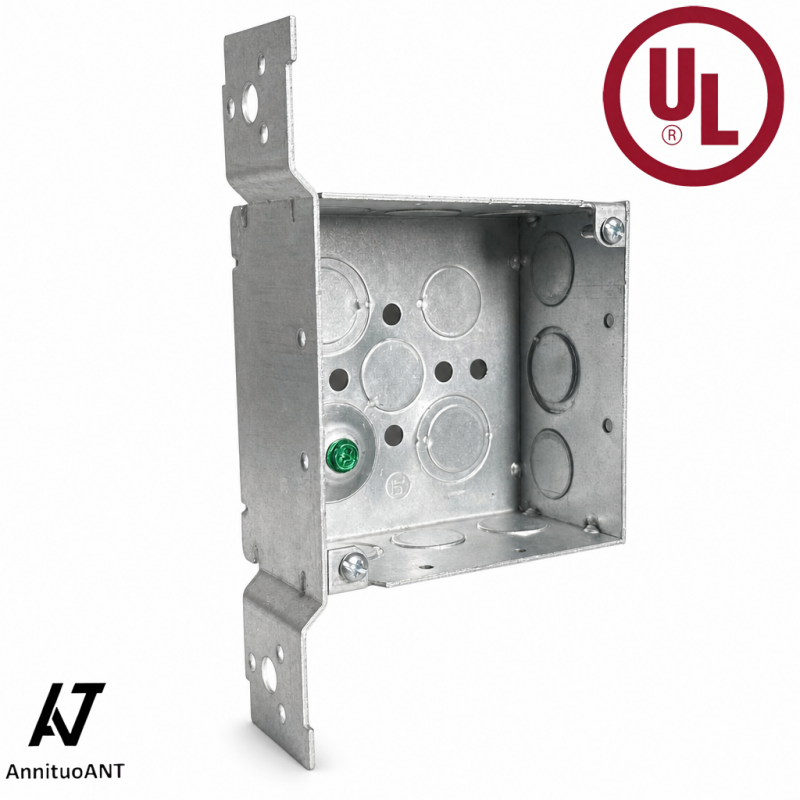
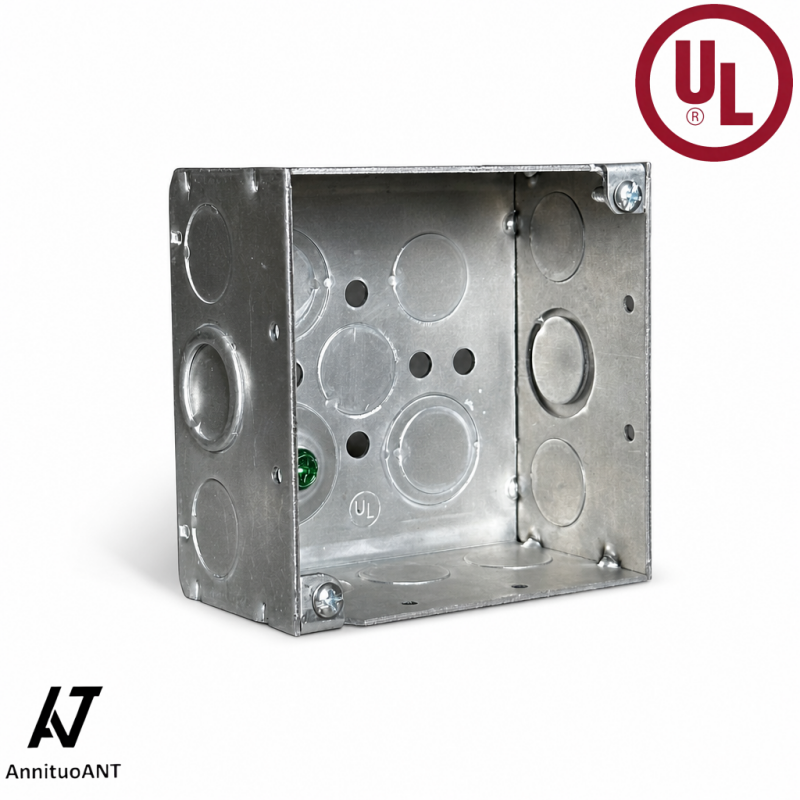
Outdoor connection boxes are essential components in electrical systems, designed to safely protect and connect wiring in outdoor environments. As a B2B buyer, whether you're a purchasing manager, distributor, or engineer, your main concerns typically revolve around quality, compatibility with existing systems, and the ability to withstand various environmental conditions. This article will delve into key specifications, common installation issues, cost factors, applications, and the benefits of choosing the right outdoor connection box for your projects with Anita outdoor outlet box.
When selecting an outdoor connection box, several specifications are crucial for ensuring suitability and performance.
Material: Outdoor connection boxes are commonly made from metallic or non-metallic materials. Anita waterproof outdoor electrical box, often constructed from aluminum or stainless steel, offer enhanced durability and resistance to environmental factors but can be heavier and more expensive. Non-metallic options, typically made from PVC or fiberglass, are lightweight and resistant to corrosion but may have limitations in terms of load-bearing capacity.
IP Rating: The Ingress Protection (IP) rating is critical in determining the box's ability to withstand dust and water exposure. For outdoor applications, an IP rating of at least IP65 is recommended, indicating protection against dust and water jets.
Dimensions and Capacity: The size of the connection box must accommodate the number of conductors and connections required. Ensure that the internal volume meets your project’s wiring needs without overcrowding, which can lead to overheating and failure.
Temperature Rating: Outdoor connection boxes should be able to operate within the temperature ranges expected in your application. Verify the temperature rating to ensure it aligns with the environmental conditions where the box will be installed.
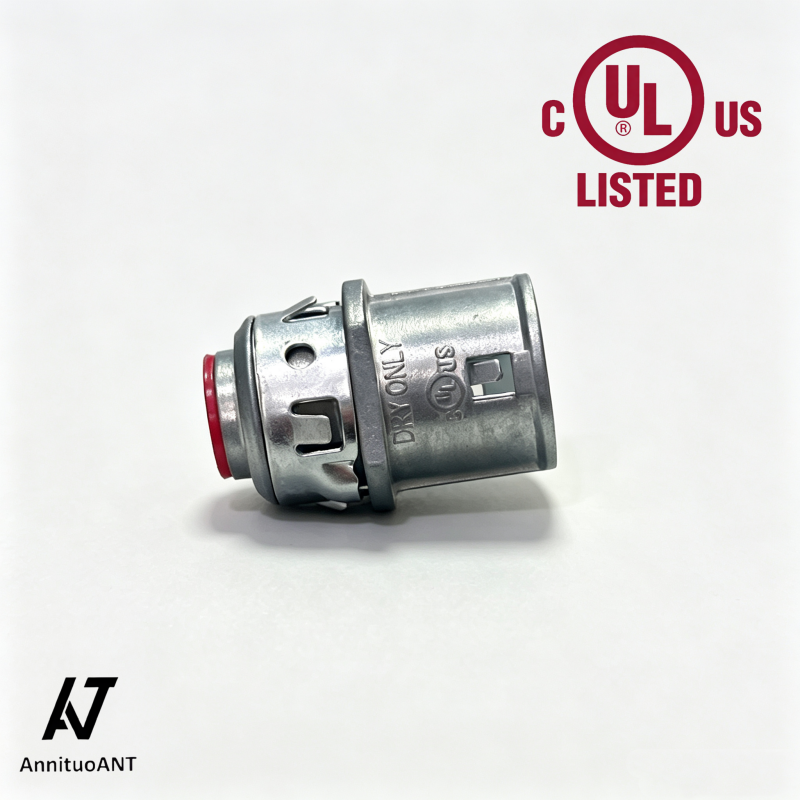
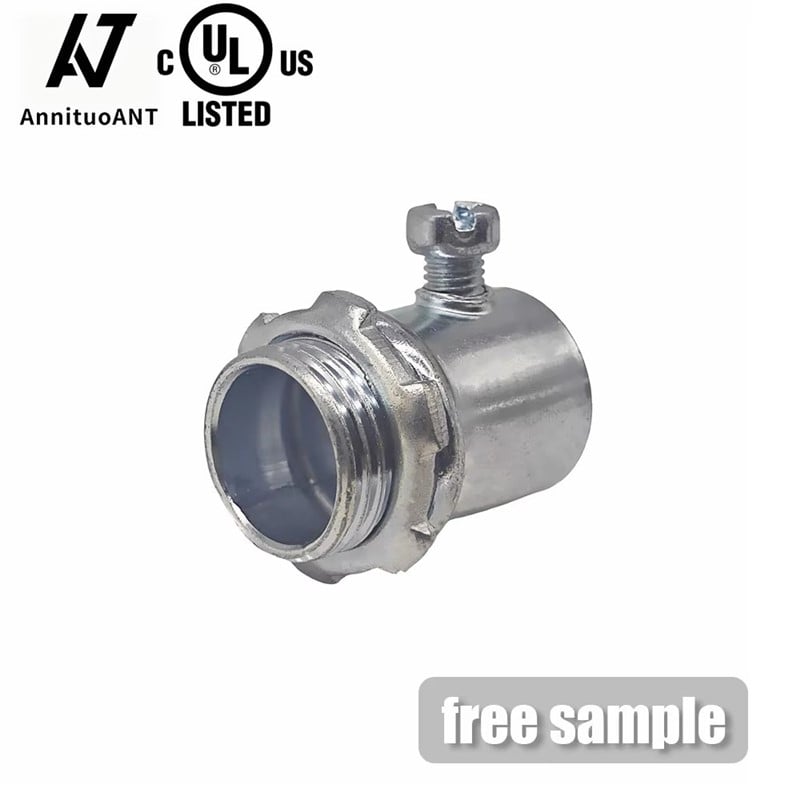
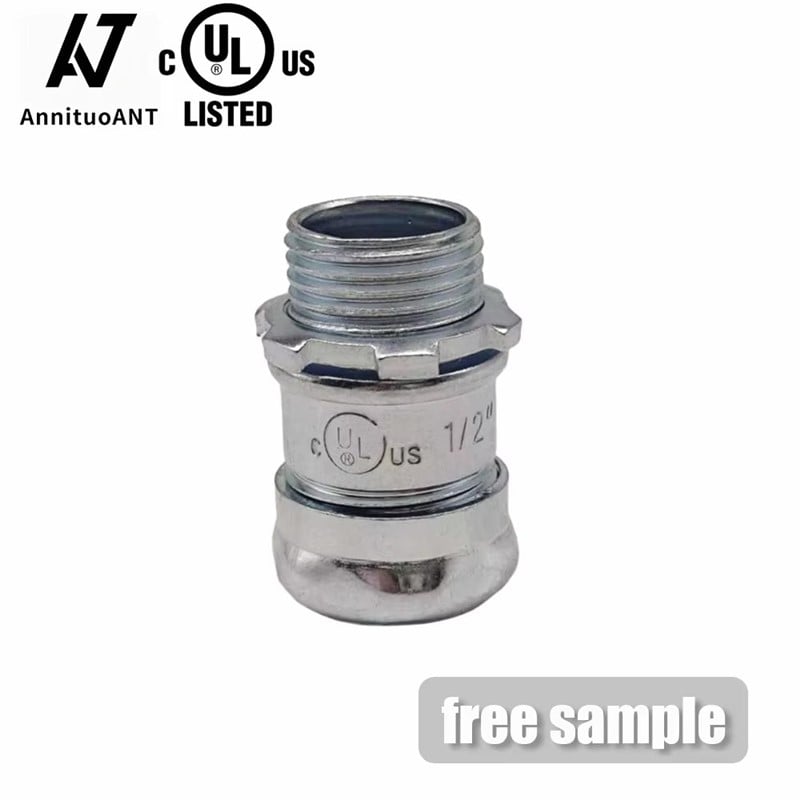
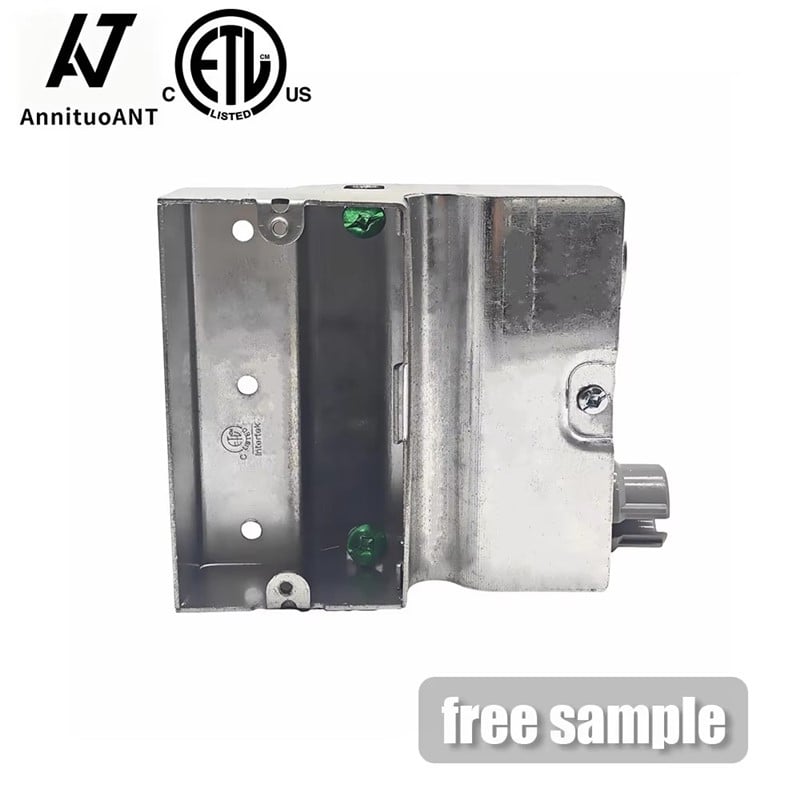
Certifications: Look for products certified by recognized standards such as UL/cUL and ETL/cETL. These certifications indicate that the Anita outdoor weatherproof box have undergone rigorous testing for safety and performance.
Evaluating these specifications against your project requirements will help ensure you choose an outdoor connection box that meets both regulatory standards and operational needs.
While installing outdoor connection boxes, several common problems can arise, potentially affecting performance and safety:
Incorrect Sealing: A frequent issue is inadequate sealing of the box, which can lead to water ingress. To mitigate this, ensure that gaskets are properly installed and that the box is rated for outdoor use. Always follow the manufacturer’s installation instructions regarding sealing techniques.
Improper Mounting: Boxes that are mounted incorrectly may experience vibration or stress, leading to premature failure. Use appropriate mounting hardware and ensure the box is securely fastened to a stable surface. Additionally, consider using vibration dampening solutions if the installation site is prone to movement.
Overcrowded Connections: Trying to fit too many wires into a connection box can lead to overheating and potential fires. Ensure that you adhere to the box's capacity limits and distribute connections evenly. If necessary, use multiple boxes to manage larger wiring systems.
Environmental Damage: Exposure to extreme weather can degrade materials over time. Regular maintenance checks are advisable to ensure that the integrity of the box is maintained. Consider applying protective coatings or choosing materials designed for harsh environments.
By anticipating these common installation issues and implementing preventative measures, you can enhance the reliability and longevity of your outdoor connection boxes.
When sourcing outdoor connection boxes, several cost factors should be taken into account:
Material Costs: The choice between metallic and non-metallic materials will significantly impact the price. Metallic boxes tend to be more expensive due to their durability and resistance to environmental factors, while non-metallic boxes may offer a lower upfront cost but could have different long-term implications in terms of durability.
Quantity and MOQ: Many manufacturers, including Jiaxing ANT Electrical Co., Ltd., may have minimum order quantities (MOQ) that affect pricing. Ordering in bulk can often reduce the per-unit cost, so consider your project needs and potential for future orders.
Custom Features: If you require customization, such as specific dimensions, color, or branding, this can increase the overall cost. Be prepared to discuss your exact requirements with suppliers to receive accurate pricing.
Shipping and Handling: Transportation costs can vary based on the size and weight of the boxes. Additionally, shipping distance and method will also play a role in the overall cost. Always check with your supplier for shipping options and rates.
Warranty and Support: A manufacturer’s warranty can provide peace of mind, but it might also influence the initial price. Evaluate the warranty coverage and support options offered, as these can affect the total cost of ownership over the product's lifespan.
By carefully considering these factors, you can make more informed decisions that align with your budget and project needs.
Outdoor connection boxes are versatile components used in a variety of applications across commercial and residential projects:
Lighting Systems: These boxes are frequently used in outdoor lighting installations, such as streetlights, landscape lights, and architectural lighting. They provide a secure connection point while protecting wiring from environmental elements.
Irrigation Systems: In agricultural and landscaping applications, outdoor connection boxes facilitate connections for irrigation systems, ensuring that control wires are safely housed and protected from moisture and pests.
Telecommunication Equipment: For telecommunications infrastructure, these boxes safeguard connections for cables and wiring that must withstand outdoor conditions, ensuring reliable communication services.
Solar Panel Systems: In solar energy applications, connection boxes are used to house electrical connections between solar panels and inverters, protecting them from moisture and environmental damage.
Power Distribution: In commercial settings, outdoor connection boxes are utilized for power distribution in outdoor electrical systems, such as those found in sports facilities, parks, and industrial sites.
Understanding the specific applications of outdoor connection boxes allows buyers to select products tailored to their project requirements, ensuring optimal performance and safety.
Investing in high-quality outdoor connection boxes yields several benefits for buyers:
Enhanced Durability: Quality outdoor connection boxes are designed to withstand harsh weather conditions, ensuring longer service life and reduced maintenance costs. This durability is particularly important in applications exposed to extreme temperatures, moisture, and UV radiation.
Improved Safety: Properly sealed and certified connection boxes minimize the risk of electrical faults and potential hazards, such as short circuits and fires. Buyers can rest assured that their installations comply with safety standards.
Customization Options: Many manufacturers, including Jiaxing ANT Electrical Co., Ltd., provide OEM/ODM solutions, allowing buyers to customize products according to their specific needs. This flexibility can lead to better integration within existing systems and improved functionality.
One-Stop Shopping: Partnering with a comprehensive manufacturer enables buyers to streamline their procurement process, reducing the time and effort spent managing multiple suppliers. This approach can lead to cost savings and improved supply chain efficiency.
Technical Support: Experienced manufacturers often provide valuable technical guidance during the selection process, ensuring that buyers choose the right products for their applications. This support can enhance project success rates and reduce the risk of costly errors.
By understanding the features and benefits of outdoor connection boxes, buyers can make informed decisions that improve project outcomes and align with their operational goals.