 EN
Quick Links
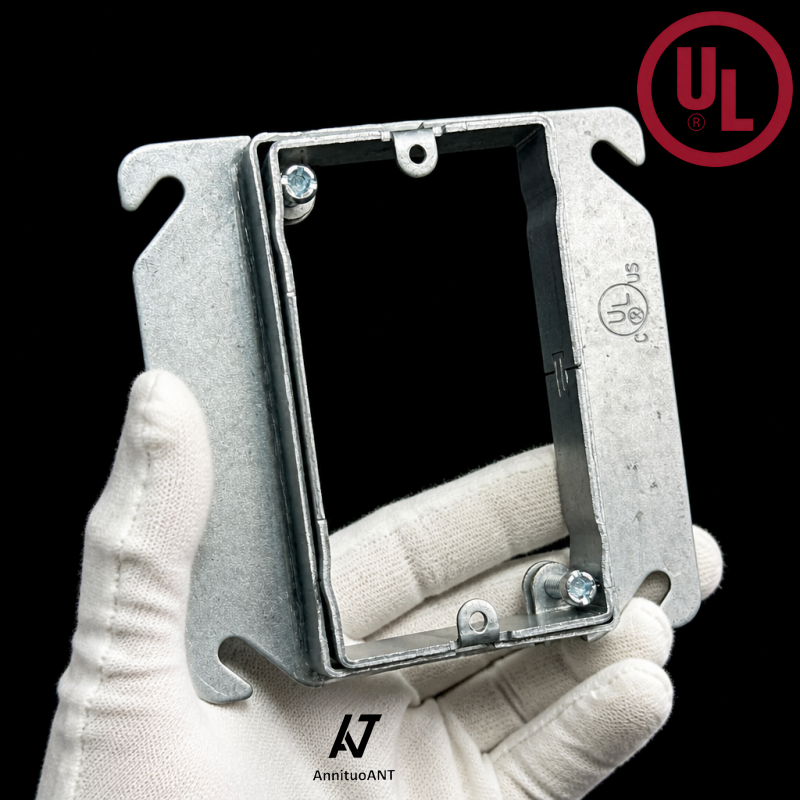
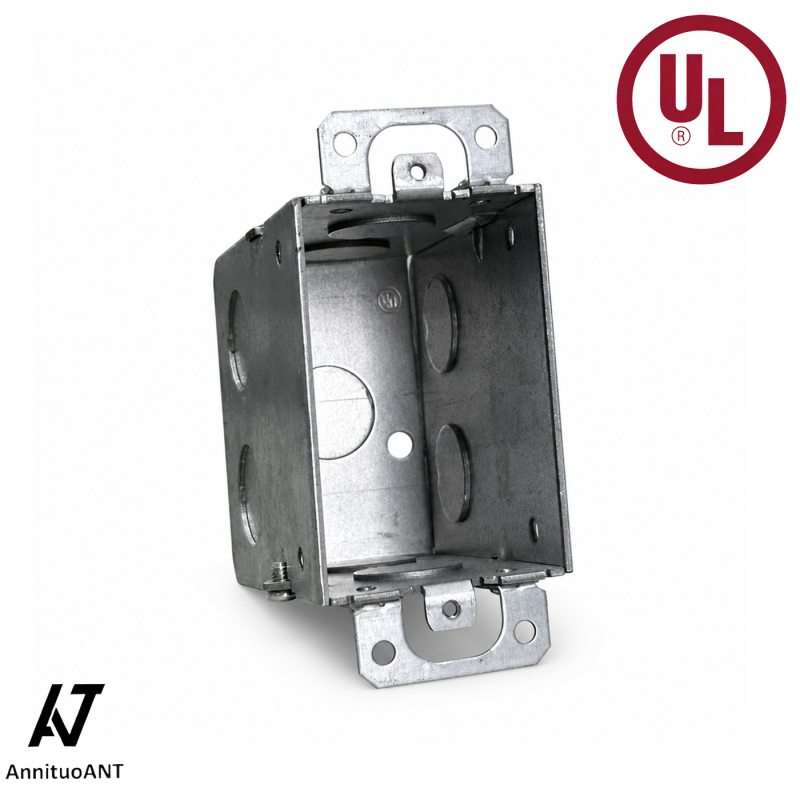
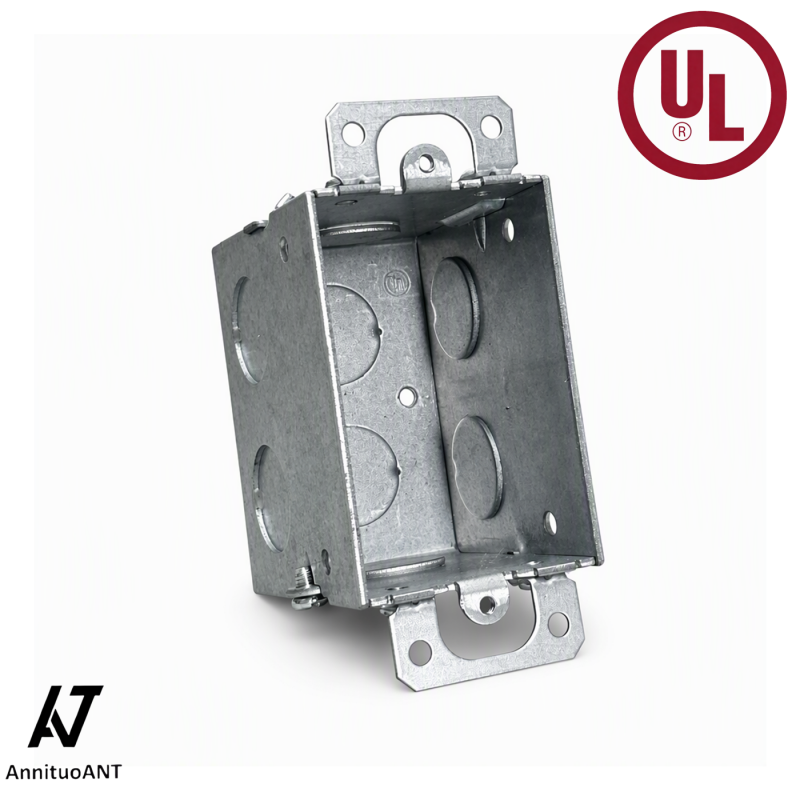
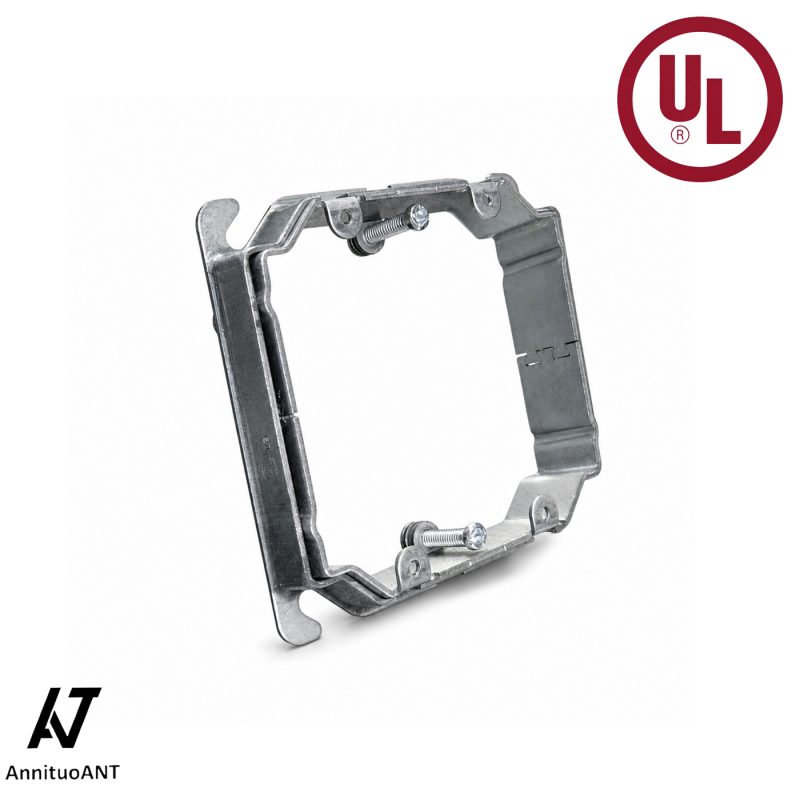
J box covers are essential components in electrical installations, providing the necessary protection and accessibility for wiring connections. As a B2B buyer, understanding the specifications, advantages, and applications of j box covers is crucial for making informed purchasing decisions. This article will guide you through essential product knowledge, helping you evaluate options and choose the right j box cover for your commercial or residential projects.
When selecting j box covers, it is vital to understand their specifications to ensure suitability for your specific applications. Key specifications include:
Material: J box covers can be made from metallic or non-metallic materials. Metallic covers offer durability and are often used in industrial applications, while non-metallic options are typically lighter and resistant to corrosion, making them suitable for residential use.
Dimensions: The size of the j box cover must match the electrical box it is intended to cover. Common dimensions include depth, width, and height, which affect the fit and installation process. Buyers should verify these dimensions with the electrical box to avoid compatibility issues.
Sealing and Protection: J box covers often come with various sealing options, such as gaskets or O-rings, to protect against dust and moisture. The level of protection needed will depend on the installation environment, such as outdoor or high-humidity areas.
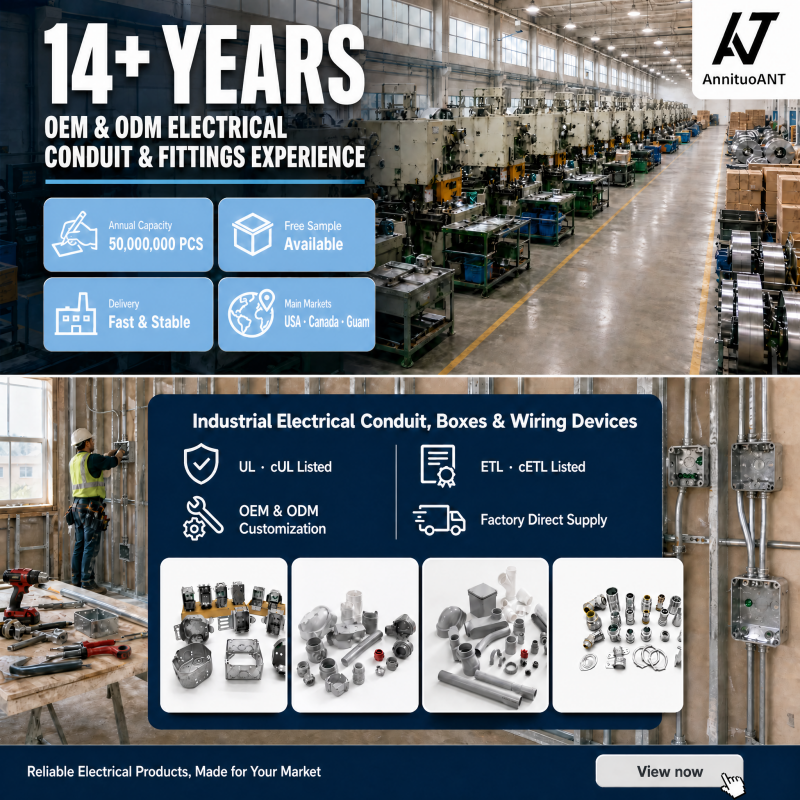
Certification Standards: It's essential to ensure that the j box covers comply with industry standards, such as UL/cUL and ETL/cETL certifications. These certifications attest to the safety and reliability of the products, which are critical for electrical installations.
Understanding these specifications will help you assess the compatibility and performance of j box covers in various electrical applications.
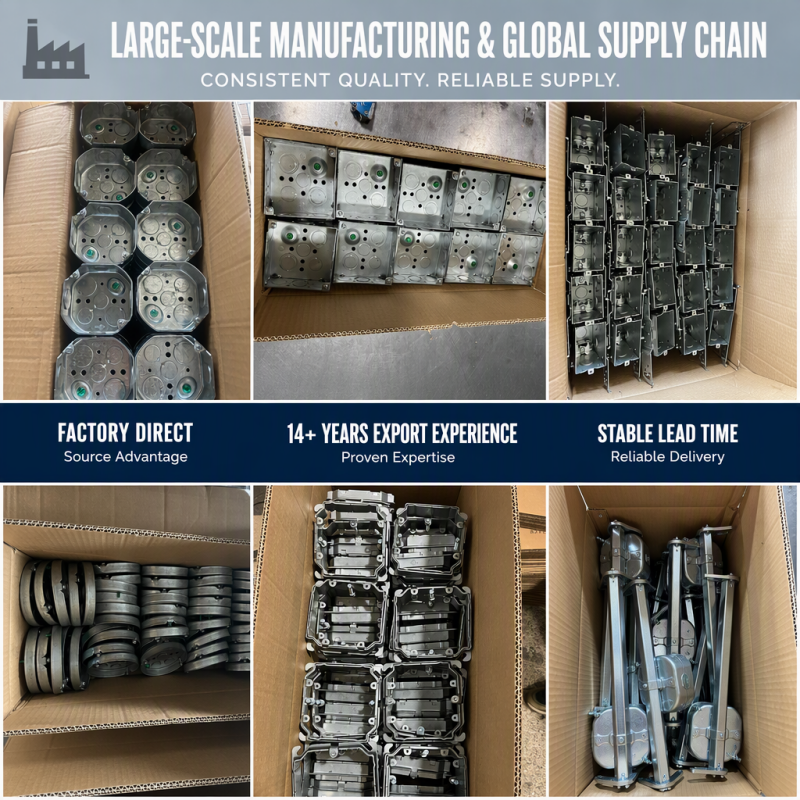
Wholesale buyers benefit significantly from sourcing j box covers from established manufacturers like Jiaxing ANT Electrical Co., Ltd. Here are some advantages:
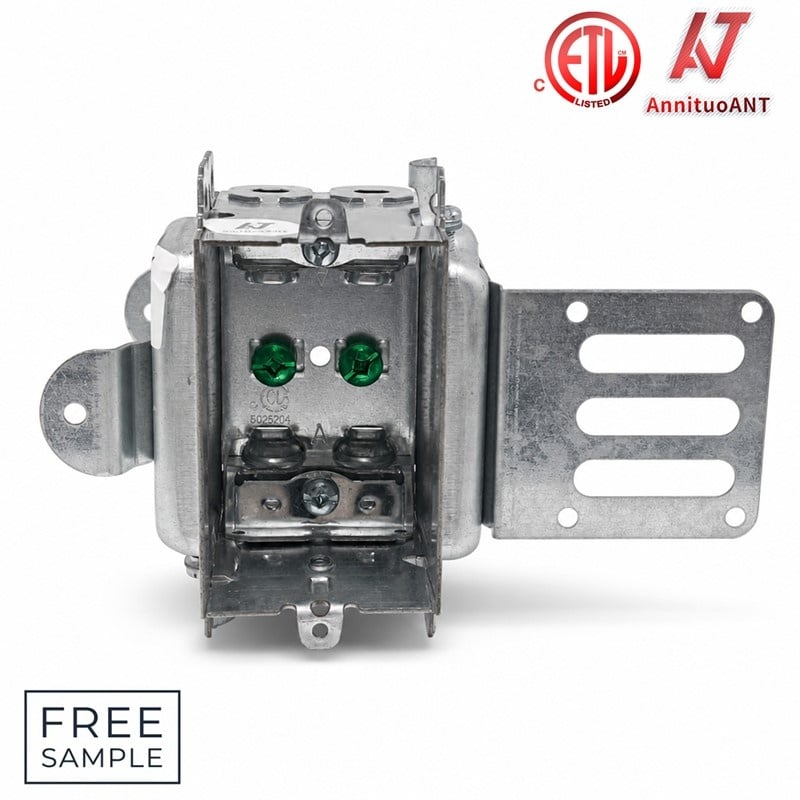
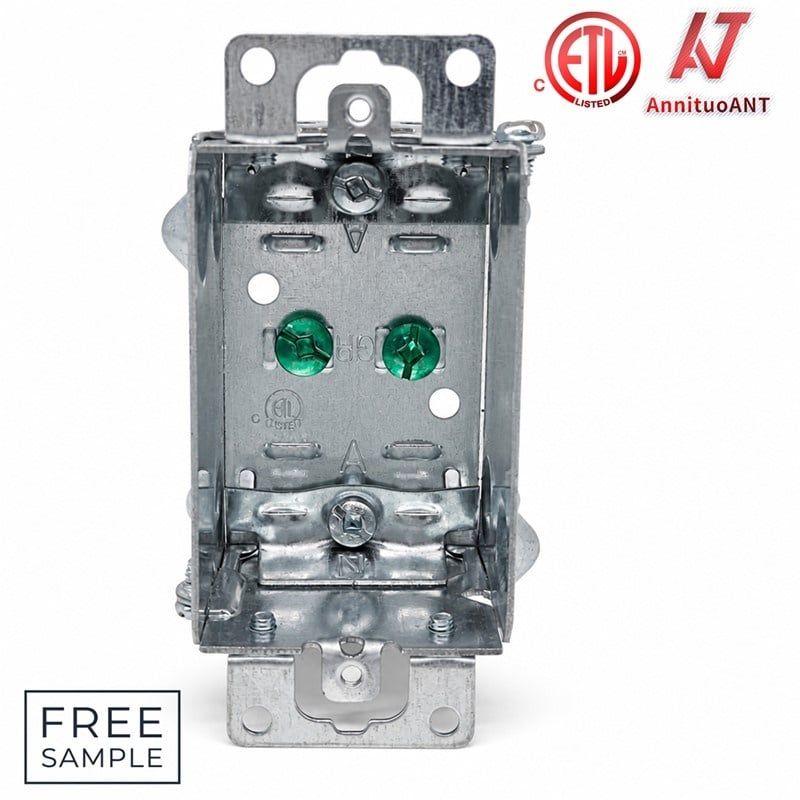
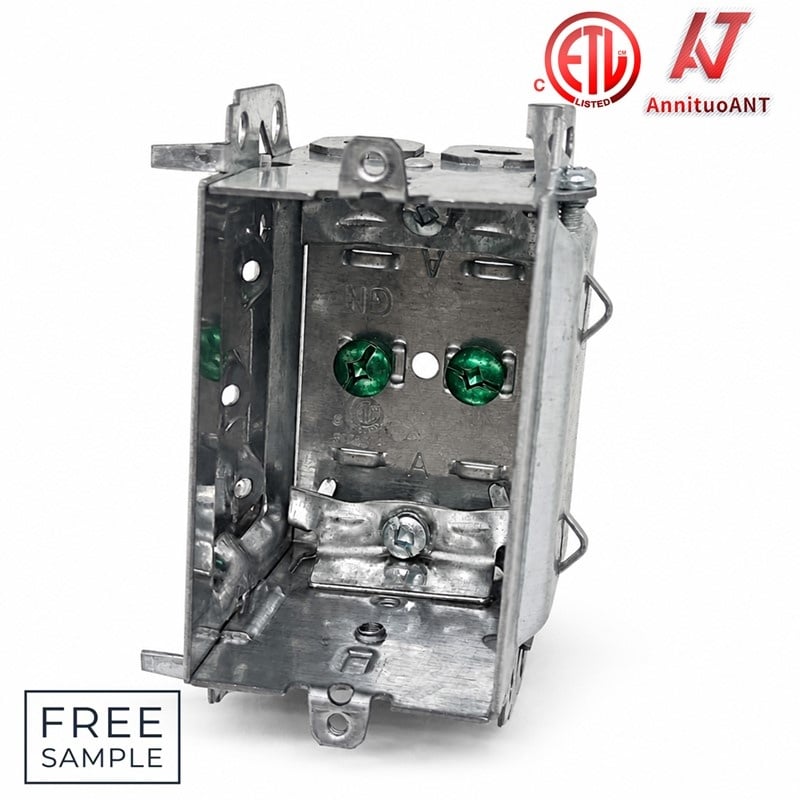
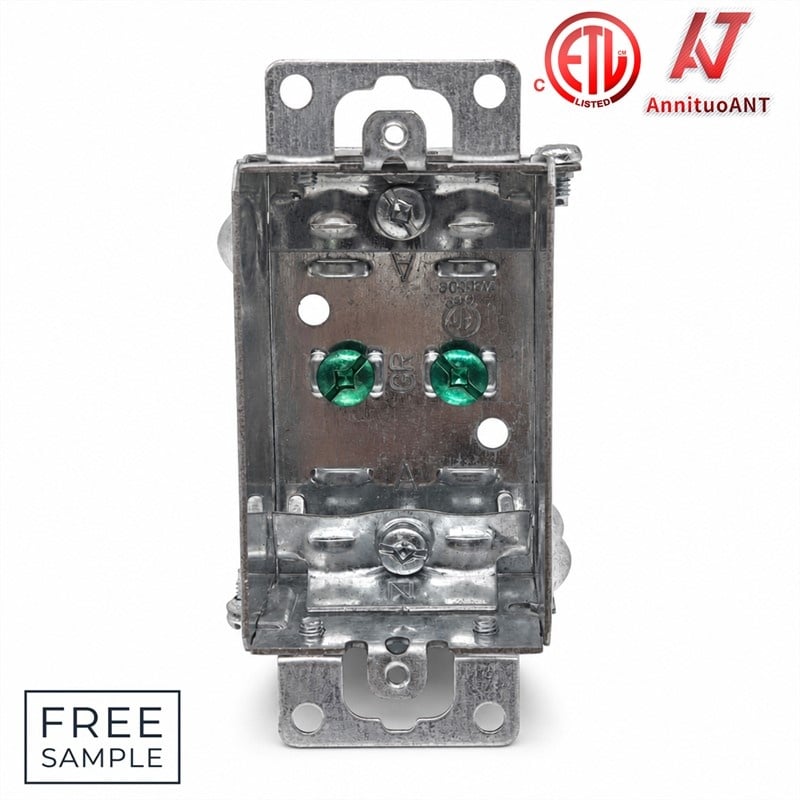
Cost Efficiency: Purchasing in bulk often leads to lower per-unit costs, which can enhance profit margins for distributors and contractors. For example, options like the 1 Gang Gangable Switch Box can offer significant savings when bought in bulk.
Quality Assurance: Established manufacturers typically maintain rigorous quality control processes and certifications, ensuring that the products meet industry standards. This reduces the risk of defects and associated costs.
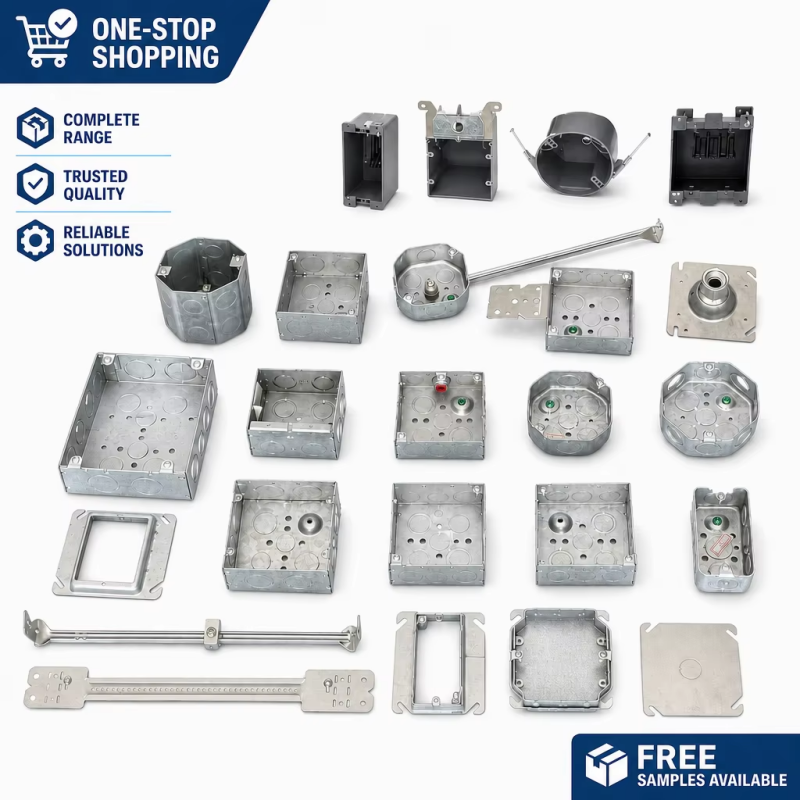
Variety of Options: A reputable supplier can offer a wide range of products, including different materials, sizes, and designs. This variety allows wholesale buyers to cater to diverse customer needs.
Customization Capabilities: Many manufacturers offer OEM/ODM solutions, allowing wholesale buyers to customize products to meet specific requirements. This flexibility can enhance customer satisfaction and loyalty.
By leveraging these advantages, wholesale buyers can support their business growth while providing reliable products to their clients.
Finding trustworthy suppliers of j box covers is essential for contractors who need consistent quality and timely delivery. Here are some strategies to identify reliable sources:
Industry Directories: Utilize online industry directories and trade platforms that list certified manufacturers and wholesalers of electrical products. These platforms often include reviews and ratings from other buyers.
Trade Shows and Exhibitions: Participating in industry trade shows provides an opportunity to meet manufacturers in person, evaluate their products, and discuss potential partnerships. It also allows contractors to gauge the reliability of suppliers based on their presence and engagement.
Referrals and Recommendations: Networking within the industry can yield valuable referrals from peers who have successfully worked with specific suppliers. Recommendations from trusted sources can help reduce the risk of partnering with unreliable vendors.
Supplier Evaluations: Conduct thorough evaluations of potential suppliers by assessing their production capabilities, quality control processes, and certifications. Request samples to ensure that their products meet your performance standards.
By employing these strategies, contractors can find reliable suppliers of j box covers that align with their project requirements.
When considering j box covers, it’s essential to weigh the pros and cons:
Pros:Durability: High-quality j box covers are designed to withstand various environmental conditions, ensuring long-lasting performance. Safety: Properly installed j box covers protect electrical connections from dust, moisture, and physical damage, reducing the risk of electrical failures or hazards. Versatility: Available in various sizes and materials, j box covers can be utilized in a wide range of applications, from residential to commercial settings. Cons:Cost Variation: Depending on the material and specifications, prices for j box covers can vary significantly. Buyers must balance quality and cost to meet their budget constraints. Installation Requirements: Some j box covers may require specific installation techniques or tools, which can increase labor costs if not properly planned. Limited Aesthetics: While functionality is critical, some j box covers may not offer the aesthetic appeal desired in certain residential installations.Understanding these pros and cons will help buyers make informed decisions based on their unique requirements and constraints.
J box covers play a crucial role in both residential and commercial electrical installations. Here are some typical applications:
Residential Wiring: In homes, j box covers are used to protect wiring connections in various locations, such as attics, basements, and exterior walls. They ensure safety and accessibility for future maintenance or upgrades.
Commercial Buildings: In commercial settings, j box covers are essential for protecting electrical connections in offices, retail spaces, and industrial facilities. Their robust construction helps prevent damage from heavy usage and environmental factors.
Outdoor Installations: For outdoor electrical installations, using weather-resistant j box covers is critical. These covers safeguard electrical components from moisture, UV exposure, and other environmental challenges. Options like the US Canadian Standards Metal Junction Box are specifically designed for such applications.
Specialized Applications: In certain industries, such as manufacturing or food processing, j box covers may need to meet specific hygiene or safety standards. Manufacturers can provide customized solutions to meet these unique requirements.
Understanding these applications can guide buyers in selecting the appropriate j box covers for their projects, ensuring compliance with safety standards and performance expectations.