 EN
Quick Links
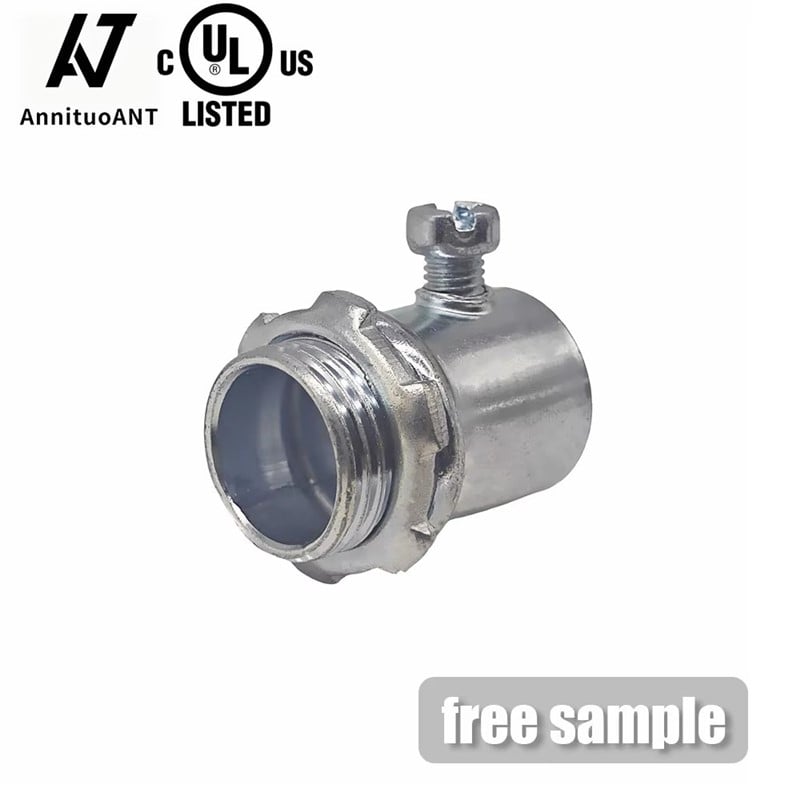
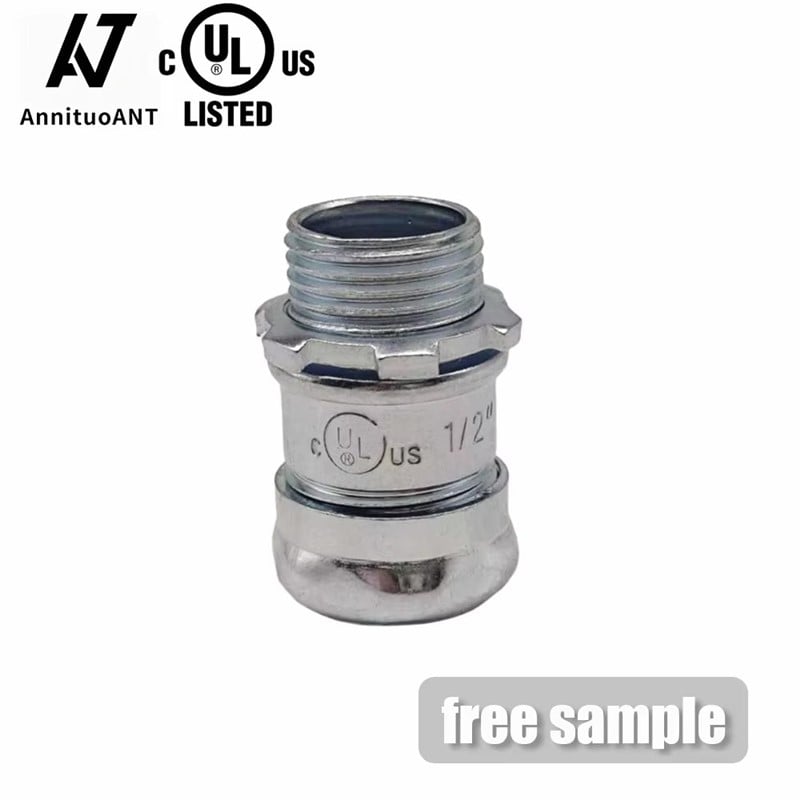
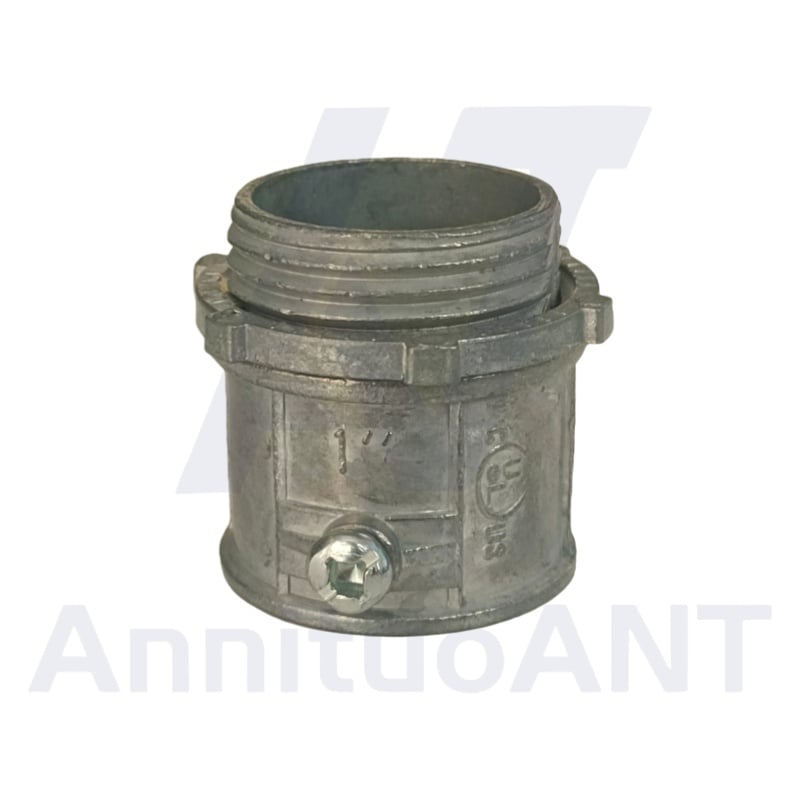
EMT to flex connectors are essential components in electrical systems, allowing for the seamless transition between rigid electrical metallic tubing (EMT) and flexible conduits. As a B2B buyer, you may have concerns regarding compatibility, quality, and specifications that meet your project's requirements. This article will guide you through choosing the right EMT to flex connector, key specifications to consider, evaluating quality for wholesale purchases, sourcing reliable suppliers, and understanding their applications in commercial construction projects.
Selecting the appropriate EMT to flex connector involves understanding the specific requirements of your electrical installation. First, consider the size of both the EMT and the flexible conduit. Ensure that the connector's dimensions match the outer diameter of the EMT and the inner diameter of the flex conduit to guarantee a secure fit.
Next, evaluate the material of the connector. Common materials include zinc-coated steel, stainless steel, and plastic, each offering different benefits regarding corrosion resistance and durability. For example, if your application faces exposure to moisture or chemicals, a corrosion-resistant material would be vital. Additionally, consider using Nonmetallic Liquid-tight Conduit & fittings for applications requiring enhanced protection against environmental factors.
Finally, assess the installation requirements. Some connectors may require tools for installation, while others can be hand-tightened. Understanding your installation environment and the skill level of your workforce is crucial in making the right choice.
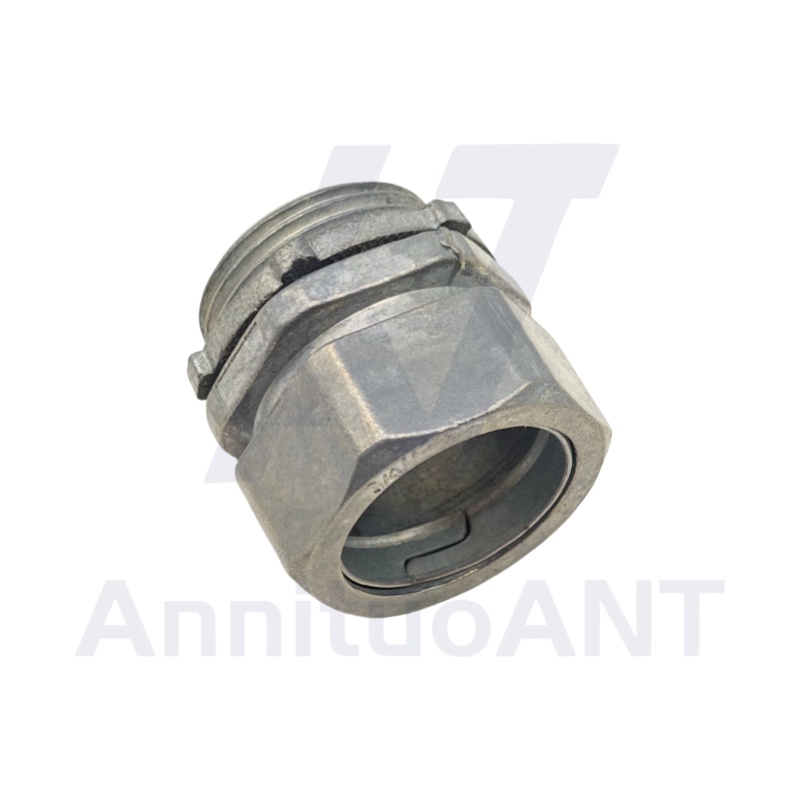
When sourcing EMT to flex connectors, several specifications should be prioritized to meet project standards effectively:
Material Specifications: As mentioned, materials significantly impact performance. Ensure that the selected material meets the specific environmental conditions of your installation.
Thread Type: Ensure the connector has compatible threading with your EMT and flex conduits. Common thread types include NPT (National Pipe Thread) and metric threads.
Load Ratings: Check the load capacity of the connectors to ensure they can handle the expected electrical loads without failure.
Certification Standards: Look for connectors that comply with industry standards such as UL/cUL and ETL/cETL certifications. These certifications ensure the product has been tested for safety and reliability.
Temperature Ratings: Verify that the connectors can withstand the temperature fluctuations expected in your application, as this affects their longevity and performance.
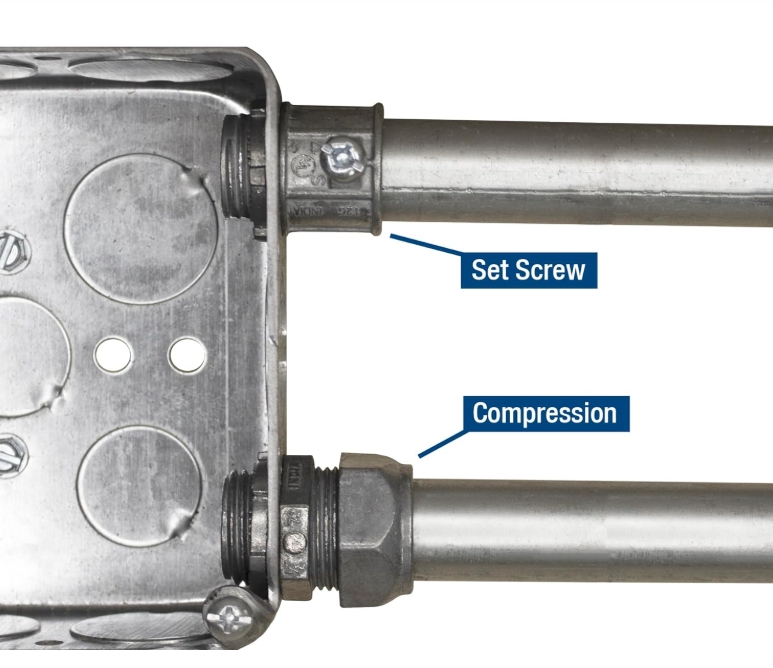
Quality evaluation is critical when considering wholesale purchases of EMT to flex connectors. Here are several factors to consider:
Material Integrity: Inspect the connectors for signs of manufacturing defects, such as cracks or corrosion. A reputable supplier will provide detailed information about the materials used and the manufacturing process.
Dimensional Accuracy: Ensure that the connectors meet specified dimensions. A tolerance check during production can prevent fitting issues that could lead to installation delays or failures.
Sample Testing: Before placing a bulk order, request samples to evaluate their performance under operational conditions. Testing samples can reveal potential issues that may not be apparent through specifications alone.
Manufacturer Reputation: Partner with manufacturers who have a proven track record in the industry. Jiaxing ANT Electrical Co., Ltd., for example, has over 14 years of experience in producing high-quality electrical equipment, which can be a strong indicator of reliability. Consider also exploring Other Electrical Accessories that may complement your flex connector needs.
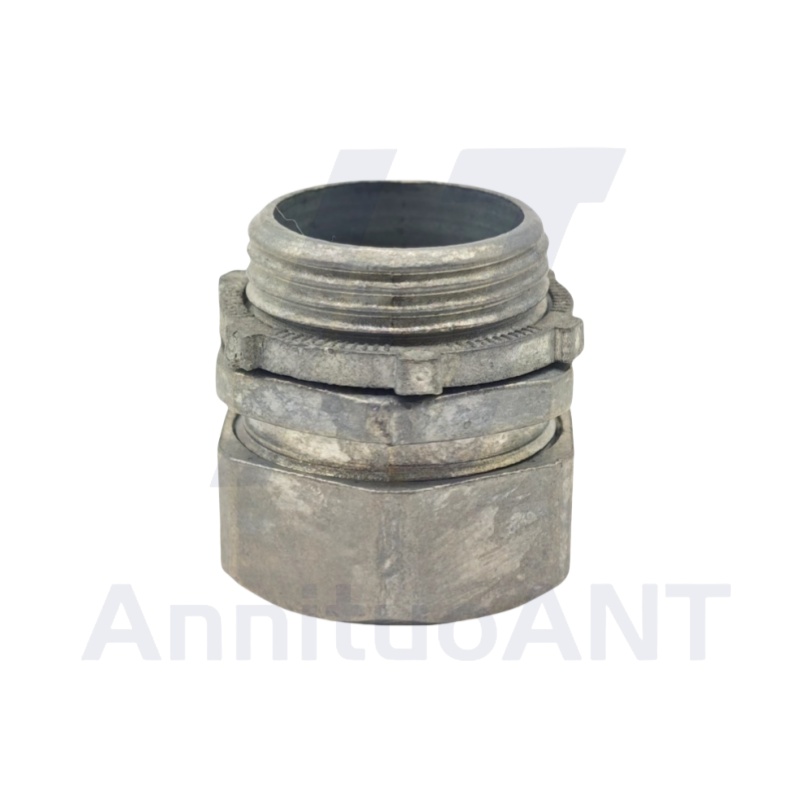
Finding trustworthy suppliers for EMT to flex connectors is crucial for ensuring product quality and consistency. Here are some approaches to consider:
Industry Directories: Utilize online industry directories and trade platforms to identify established manufacturers and distributors. Look for those with a strong reputation and positive reviews.
Trade Shows and Expos: Attend industry trade shows to meet suppliers in person. This provides an opportunity to discuss your needs and evaluate products firsthand.
Referrals from Industry Peers: Reach out to colleagues or industry contacts for recommendations. Their experiences can provide valuable insights into potential suppliers.
Supplier Audits: Once you identify potential suppliers, consider conducting audits of their manufacturing processes and quality control systems to ensure they meet your standards.
EMT to flex connectors play a vital role in various commercial construction applications. Their flexibility allows them to be used in installations where rigid conduits may not be feasible. Common applications include:
Electrical Distribution Systems: These connectors are often used in electrical panels and junction boxes to transition from rigid EMT to flexible conduits, accommodating movement and vibration in industrial settings.
Lighting Installations: In commercial buildings, EMT to flex connectors enable the easy routing of electrical wiring to lighting fixtures, particularly in areas where adjustments may be necessary.
Equipment Connections: These connectors are used to connect electrical equipment that requires flexible conduits to allow for movement and repositioning without compromising the integrity of the wiring.
Environmental Considerations: In environments exposed to moisture or chemicals, such as food processing plants, the use of high-quality connectors ensures safety and compliance with regulations.
when selecting EMT to flex connectors, understanding the specific requirements of your project is essential. By considering the right specifications, evaluating quality, sourcing from reliable suppliers, and recognizing the various applications, you can make informed purchasing decisions that meet your needs effectively.