 EN
EN
Quick Links
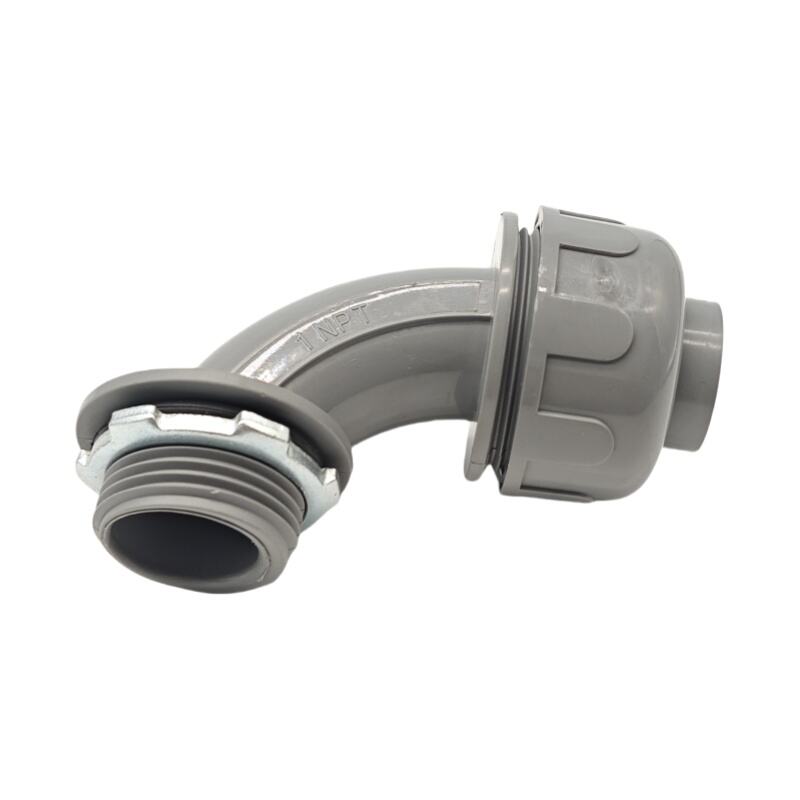
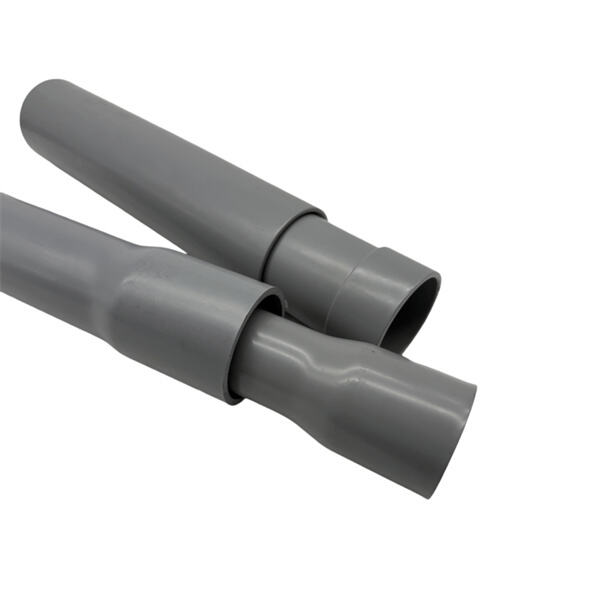
Anita is ready to tell you about electrical conduit! Electrical conduit is something like a pipe, except that it protects wires and keeps them safe. There are several kinds of electrical conduit, but we will only be discussing three main types; PVC conduit, flexible metal conduit, and rigid metal conduit. Lets take a look and learn more about these 3 types of electrical conduit.
An electrical conduit is a must to ensure safety of the electrical conduit fittings wiring. It is the protective cover for the wires that maintains them away from damage and the possibility of the electricity, and the result, of the smooth electricity running. Unconstrained by the conduit, those wires would be exposed and susceptible to damage, which could, in turn, have disastrous consequences, such as electrical fires.
There are some things to consider when selecting the conduit for your electrical wiring. PVC conduit is preferred by many professionals and provides low moisture in applications. It is nonmagnetic and cannot be hardened by heat treatment.
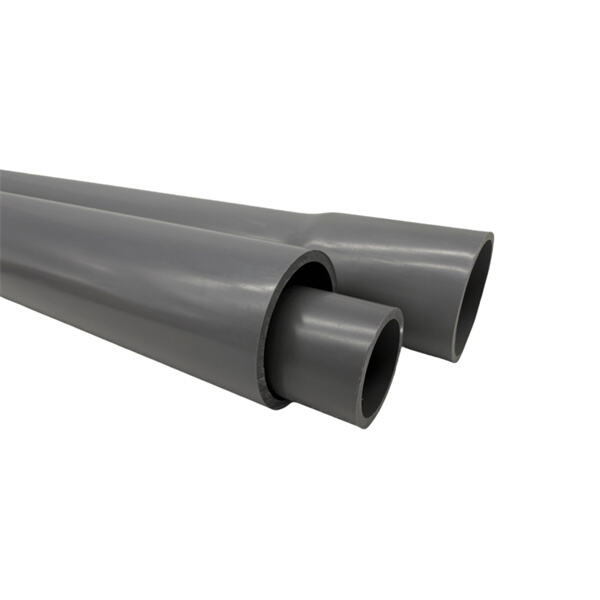
PVC conduit offers excellent opportunities for electrification due to its strength, workability and affordability. It is moisture and chemical resistant, and environmentally resistant too, so 3 4 electrical conduit can be used outdoors. PVC conduit is also combustible and can help the spread of fires that are caused by anything from electrical faults. When it comes to protecting your electrical wires, PVC conduit is the ideal solution.
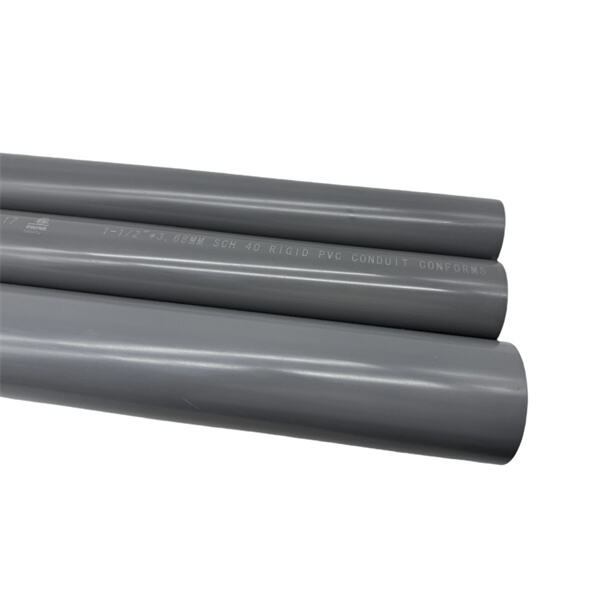
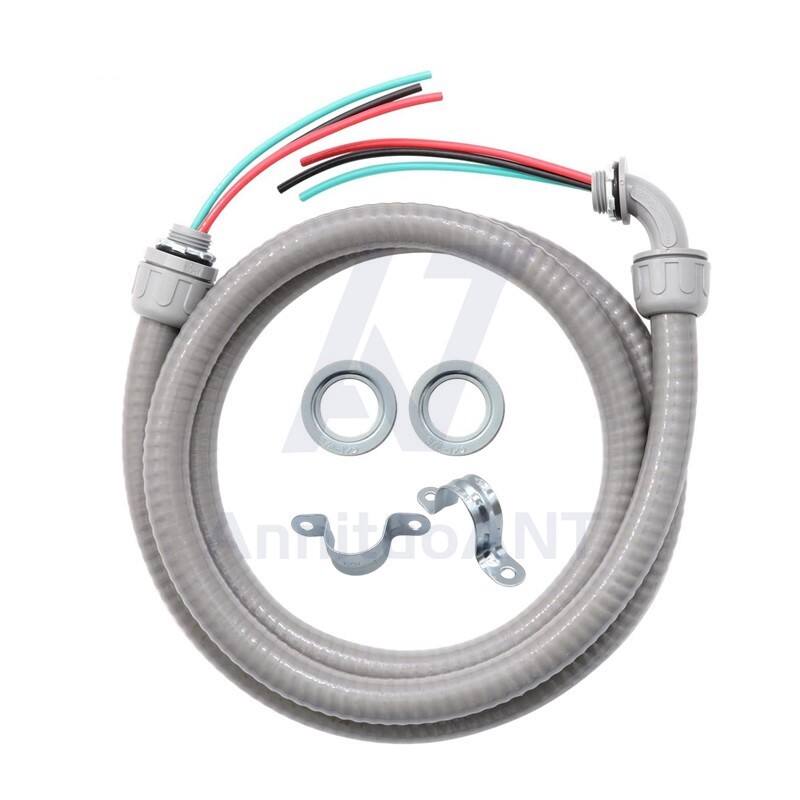
A form of flexible metal conduit that has gained popularity over the years is as follows. It is constructed of metal so it is sturdy and will hold up well over time. Comparing Flexible Metal Conduit is a category of metal tubing that exhibits the following: This is used in areas where bending or movement may be required, such as concealed or cornered areas. If you install flexible metal conduit, be sure to install it securely and connect it to junction boxes for additional safety.
Regularly inspecting your electrical conduit systems to check for damage or 1 electrical conduit wear is also something that you can do to keep them in good condition. If you see any cracks, dents or exposed wires, it is important to replace them in order to avoid any potential hazards. Also, remember to keep your conduit as clean as possible; this will help to allow good airflow and create the ventilation you’ll need for your wires.