 EN
Quick Links
Waterproof electrical boxes are essential components in various electrical applications, providing protection against moisture and environmental factors. For B2B buyers, concerns typically revolve around durability, compliance with safety standards, and suitability for specific applications. This article will guide you through the key considerations when selecting Anita electrical box cover, helping you make informed purchasing decisions.
Selecting the right waterproof electrical box begins with understanding the specific requirements of your project. Consider factors such as application environment, expected exposure to moisture, and the type of electrical components being housed. For outdoor installations, boxes should have a robust sealing mechanism to prevent water ingress, while indoor applications may have different specifications based on humidity levels.
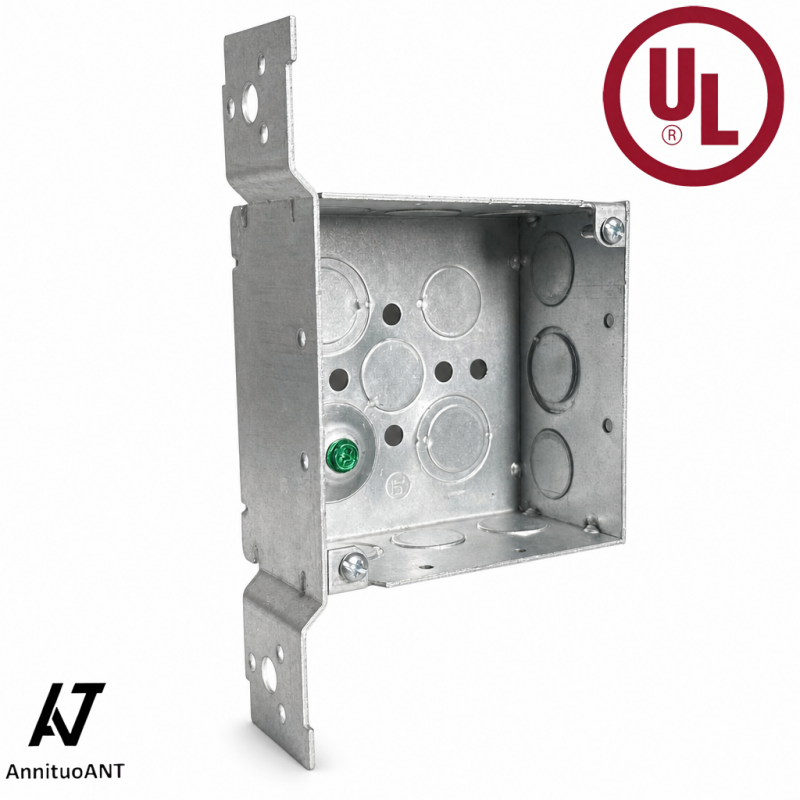
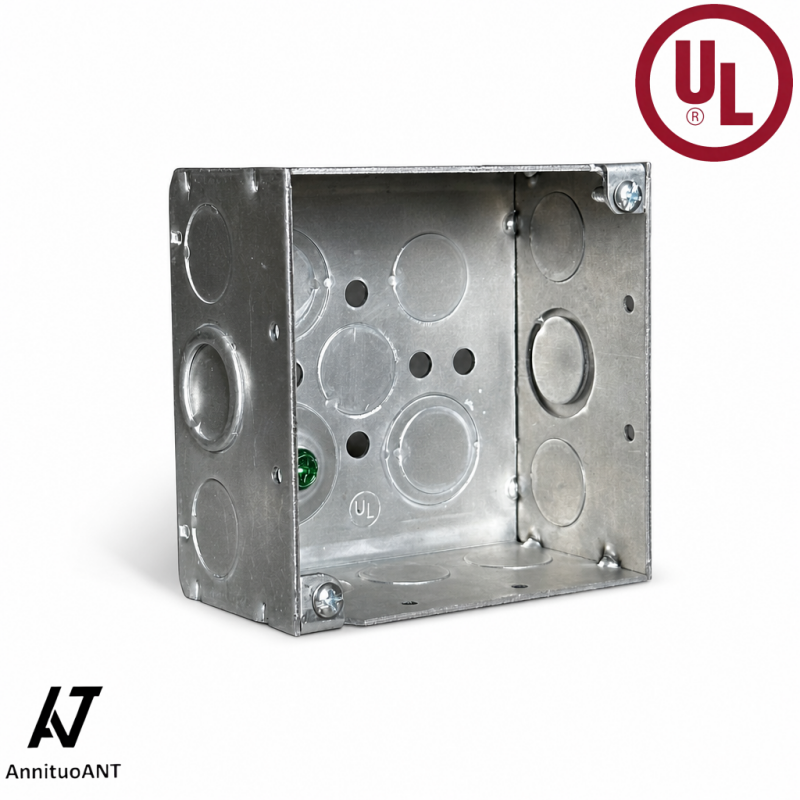
It's crucial to assess the material of the box. Common options include non-metallic materials like PVC, which offer excellent resistance to corrosion and are lightweight, or metallic options, which can provide enhanced durability and strength. The choice between these materials will depend on the environmental conditions and the level of protection required.
Moreover, consider the size and configuration of the electrical box. Ensure it can accommodate the necessary components without crowding, which can lead to overheating or malfunctions. Furthermore, check if the outside electrical box complies with relevant industry standards, such as UL/cUL or ETL/cETL certifications, which signify that products meet safety and performance criteria.
When sourcing Anita waterproof electrical boxes, several key specifications should be evaluated to ensure compatibility with your project requirements:
Ingress Protection (IP) Rating: This rating indicates the level of protection against dust and water. For instance, an IP67 rating means the box is dust-tight and can withstand submersion in water up to a depth of 1 meter for 30 minutes. Choose a rating that matches your installation environment.
Material Properties: Different materials offer varying levels of resistance to environmental factors. For example, PVC is resistant to moisture and chemicals but may not withstand high temperatures, whereas metal boxes can handle higher thermal loads but may require additional treatment to prevent corrosion.
Dimensions and Mounting Options: Ensure the box fits the designated installation space and allows for easy access to the electrical components. Look for mounting options that facilitate secure installation while maintaining the integrity of the waterproof seal.
Sealing Mechanism: Examine the sealing method used in the box design. Gaskets or seals should be robust and capable of maintaining their integrity over time, especially in fluctuating temperatures or harsh weather conditions.
Load Capacity: Assess the box's load capacity to ensure it can safely house the intended electrical components without risk of damage or failure.
To ensure a successful procurement process, follow this comprehensive guide when selecting waterproof electrical boxes:
Identify Application Requirements: Determine where the box will be used—indoors, outdoors, in wet environments, or in areas with high humidity. This will influence your choice of materials and specifications.
Conduct Supplier Research: Look for manufacturers with experience in producing waterproof electrical boxes. Check for certifications such as UL/cUL or ETL/cETL, as these indicate adherence to safety standards.
Request Samples: Before committing to a bulk order, request samples to evaluate the quality of the product. Pay close attention to the sealing mechanisms, material quality, and overall construction.
Verify Customization Options: If your project has unique requirements, inquire about customization capabilities. A reliable supplier should be able to accommodate specific dimensions, colors, or additional features.
Understand Pricing Factors: Pricing can vary based on material, manufacturing processes, and order quantity. Be clear about your budget and discuss pricing structures with potential suppliers to find a cost-effective solution.
When evaluating waterproof electrical boxes, focus on the following aspects to ensure they meet your needs:
Durability: The box should withstand environmental stressors such as UV exposure, temperature fluctuations, and physical impact. Assess the materials used and their expected lifespan under operational conditions.
Ease of Installation: Look for designs that facilitate straightforward installation. Features such as knockouts for cable entry and pre-drilled mounting holes can simplify the process.
Compliance with Standards: Ensure the boxes adhere to local and international electrical codes. This is crucial for safety and for passing inspections.
Vendor Support: A reputable supplier should offer technical support, guidance on installation, and information about the products' performance in various applications.
Even the best Anita waterproof electrical boxes can encounter issues. Here are some common problems and practical solutions to consider:
Seal Failure: Over time, seals may degrade due to exposure to harsh elements. Regular inspection and maintenance can help identify seal wear before it leads to water ingress. If a failure is detected, consider replacing the external electrical box or resealing it with compatible materials.
Corrosion: Metal boxes, while durable, can corrode if not properly treated. Use corrosion-resistant coatings and regularly check for signs of rust or damage.
Size Incompatibility: Ensure that the selected box can accommodate the electrical components without overcrowding. If you experience issues with fit, re-evaluate the dimensions and consult with the supplier for alternatives.
Improper Installation: Mistakes during installation can compromise the box’s waterproof capabilities. Follow the manufacturer's guidelines closely and ensure that installation teams are adequately trained.
By addressing these common issues proactively, you can enhance the reliability and longevity of your waterproof electrical boxes, ensuring they perform effectively in their designated environments.
In summary, waterproof electrical boxes are critical components for protecting electrical installations from moisture and environmental damage. By carefully considering specifications, understanding application needs, and selecting a reputable supplier, you can make informed decisions that meet your project requirements.