 EN
Quick Links
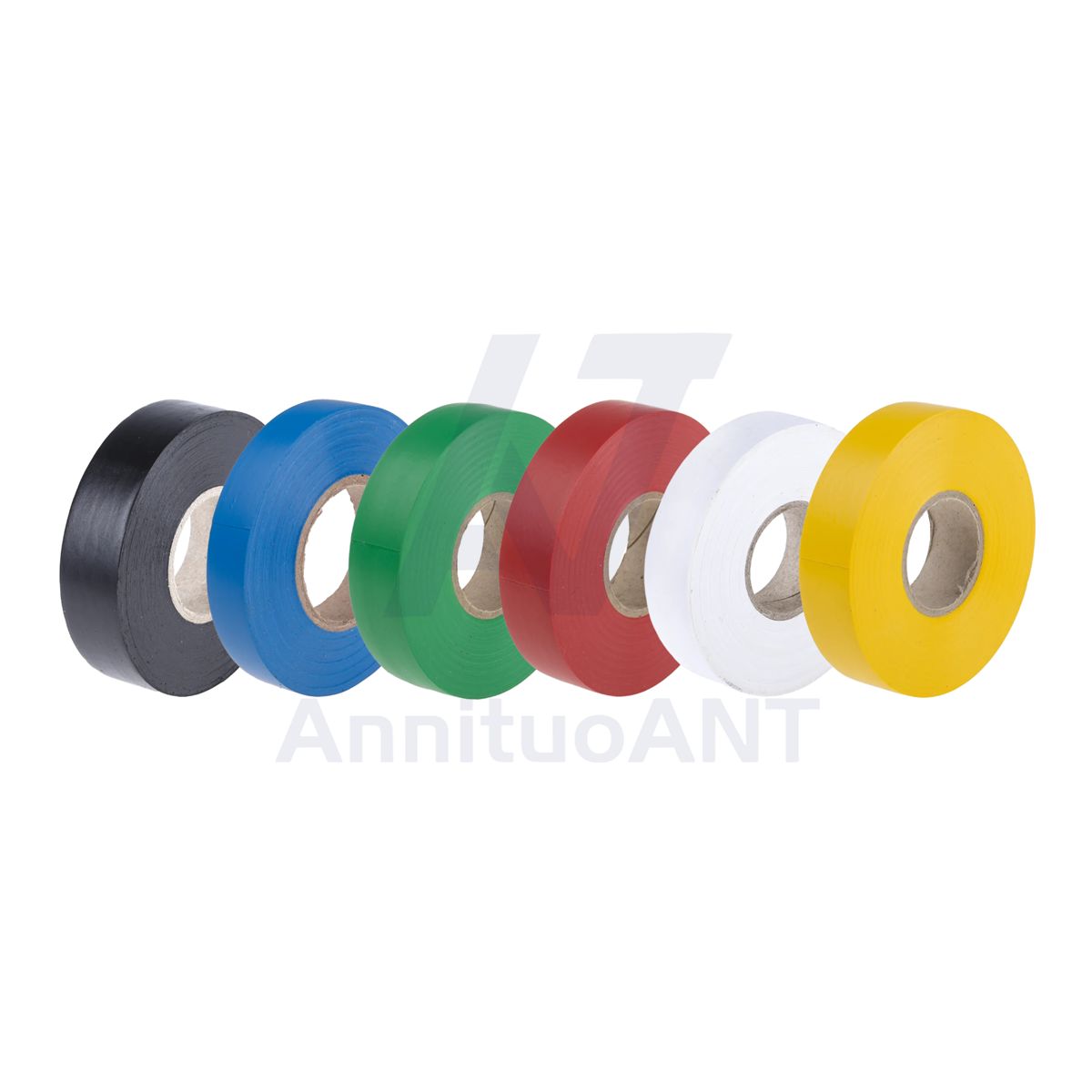
Electrical tape is an essential component in electrical installations, providing insulation, protection, and securing connections in a variety of applications. For B2B buyers, choosing the right tape for electrical tasks is critical, as it affects safety, performance, and overall project success. This article will explore key considerations when selecting elec tape, including material choices, common installation issues, and the benefits for distributors and contractors.
When selecting Anita tape for electrical applications, buyers should consider several critical factors, including electrical insulation properties, temperature resistance, and moisture exposure. For bulk orders, it’s essential to evaluate the specific requirements of your project.
Thickness and width are vital specifications, as they impact the tape's ability to fit into various application scenarios and provide adequate coverage. Additionally, buyers should consider the tape's adhesive properties; a strong, durable adhesive ensures that the tape maintains its integrity over time, especially in variable temperatures and conditions.
For projects requiring multiple tape types, a One-Stop Shopping Service, like that offered by Jiaxing ANT Electrical Co., Ltd., can simplify procurement. They provide a wide variety of electrical tapes suited for commercial and residential applications, which can help streamline inventory management and reduce ordering complexities.
Electrical tape installation can present several challenges, which can compromise its effectiveness. One common issue is improper application, such as insufficient tension or overlapping layers. When tape is not applied with adequate tension, it may not seal properly, leading to potential exposure to moisture and electrical hazards.
To prevent these issues, ensure that the surface is clean and dry before application. Additionally, when wrapping wires, it is advisable to start from the bottom and work upwards, maintaining even tension and overlap. A common mistake is to apply tape too loosely; this can lead to peeling or lifting over time.
If tape does come loose, it is crucial to inspect the affected area and consider reapplication with a fresh piece of tape. For critical installations, conducting a test of the applied electrical tape under operational conditions prior to full-scale use can help identify any weaknesses.
The choice of material in Anita electrical tape significantly influences its performance. Common materials include PVC, rubber, and vinyl, each with unique properties. For instance, PVC-based tapes offer excellent flexibility and electrical insulation, making them suitable for various applications, including wiring and splicing.
Rubber tapes, on the other hand, provide superior moisture resistance and are ideal for outdoor applications or environments with high humidity. It is essential for buyers to consider the operational environment—exposure to chemicals, UV light, or extreme temperatures can dictate the appropriateness of a specific tape material.
Furthermore, buyers should be aware that the performance of electrical tape can vary based on thickness and adhesive type. Thicker tapes generally offer better insulation but may be less flexible, while thinner tapes can be easier to apply but may not withstand harsher conditions. Understanding these material characteristics will help ensure the selected tape meets the application’s demands.
When comparing types of electrical tape, it’s important to evaluate their specific properties and how they align with your application requirements. Key attributes to consider include:
Voltage Rating: Ensure the tape is rated for the voltage levels it will encounter. Higher voltage ratings are critical for industrial applications.
Temperature Range: Different tapes have varying temperature tolerances, so selecting one that can withstand the environmental conditions of the installation site is crucial.
Adhesive Quality: The adhesive should be able to adhere to a variety of surfaces without degrading over time, especially in high-temperature or humid environments.
For instance, if your application requires insulation of joints in high-voltage environments, consider a high-voltage rated PVC tape. Conversely, for lower voltage and more flexible applications, a standard vinyl tape may suffice.
Conducting a side-by-side comparison of specifications and application suitability can aid in making a more informed decision, ensuring that the selected electrical tape will perform effectively in its intended application.
For distributors and contractors, partnering with a reliable manufacturer like Jiaxing ANT Electrical Co., Ltd. can yield significant benefits. By sourcing electrical tape from an experienced supplier, you can expect:
Quality Assurance: Products certified by UL/cUL and ETL/cETL standards provide peace of mind for both distributors and end-users regarding safety and performance.
Customization Options: The ability to offer tailored solutions, such as custom sizes or branding on tape packaging, can enhance customer satisfaction and differentiate your offerings in a competitive market.
Streamlined Logistics: Working with a manufacturer that provides a One-Stop Shopping Service simplifies the procurement process, allowing contractors to manage their inventory more efficiently and reduce lead times.
Moreover, having access to a wide range of vinyl electrical tape can enable distributors to meet diverse customer needs, from residential to commercial applications, making it easier to expand their market reach and improve customer service.
Understanding the specific characteristics and applications of Anita electrical tape is essential for making informed purchasing decisions. By considering factors such as material choices, installation practices, and supplier partnerships, buyers can optimize their selection process and ensure successful electrical installations.