 EN
Quick Links
Outdoor junction boxes are essential components in various electrical installations, providing protection for wiring connections and safeguarding against environmental factors. For B2B buyers, understanding the key specifications, certifications, and applications of these junction boxes is crucial for making informed purchasing decisions. This article will cover critical factors to consider when sourcing outdoor junction boxes, including specifications, certifications, sourcing options, common issues, and their applications in both commercial and residential projects.
When selecting outdoor junction boxes, several key specifications should be evaluated to ensure they meet your project's requirements:
Material: Outdoor junction boxes can be made from metallic (like aluminum or steel) or non-metallic (like PVC or fiberglass) materials. Metallic boxes can offer better durability and protection against physical impacts, while non-metallic options may provide better resistance to corrosion and chemical exposure.
Ingress Protection (IP) Rating: This rating indicates the level of dust and water resistance. For outdoor applications, look for a waterproof junction box with an IP rating of at least IP65, which can withstand dust and low-pressure water jets.
Size and Dimensions: The box must fit the wiring and connectors it houses. Consider the internal volume and dimensions to ensure they accommodate your specific electrical components without overcrowding.
Sealing Mechanism: Effective sealing is crucial to prevent moisture ingress. Evaluate the sealing mechanism, such as gaskets or seals, and ensure they are suited for the environmental conditions expected.
Mounting Options: Check for versatile mounting options that fit your installation requirements, whether it be wall-mounted, pole-mounted, or freestanding.
Temperature Ratings: Ensure the junction box can withstand the temperature ranges expected in its operating environment. This is particularly important for areas with extreme weather conditions.
When sourcing outdoor junction boxes, understanding the differences between UL and ETL certifications is essential for compliance and safety assurance:
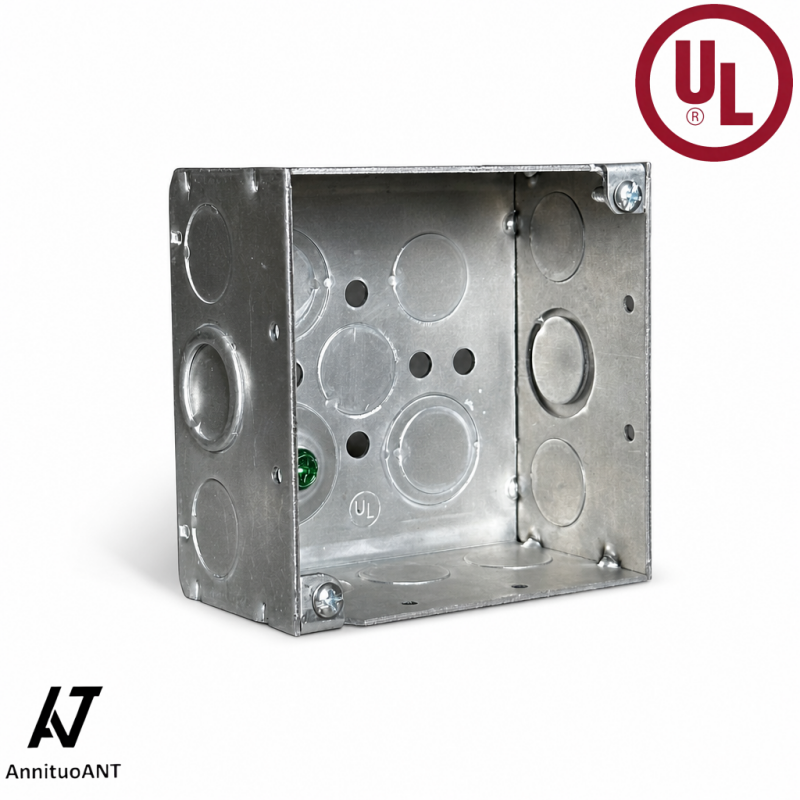
UL (Underwriters Laboratories): This certification indicates that the product has been tested for safety and performance by UL, a well-recognized safety organization. Products with UL certification are often preferred in commercial settings due to their rigorous testing standards.
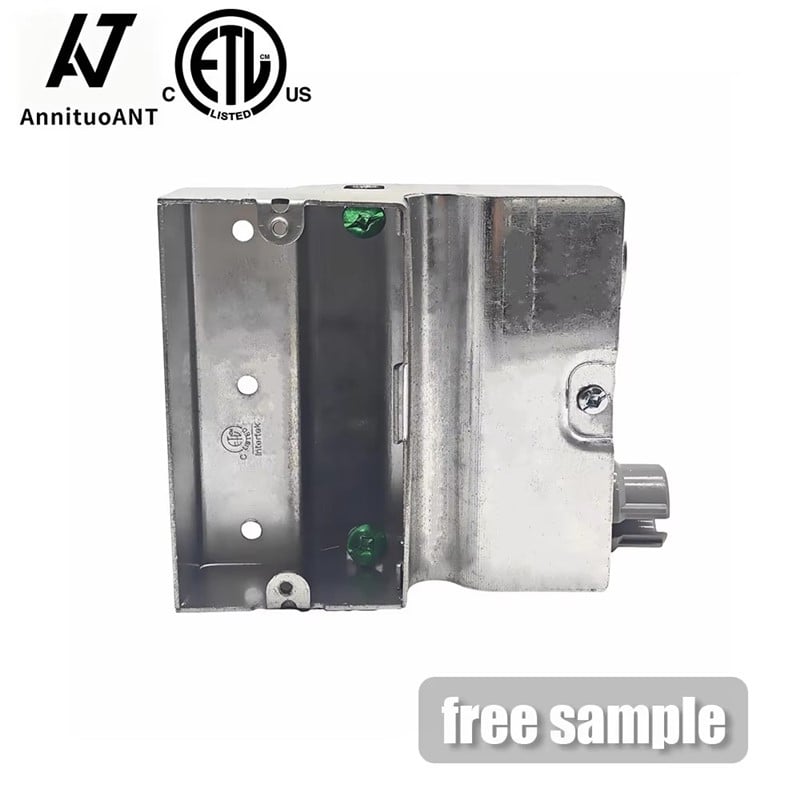
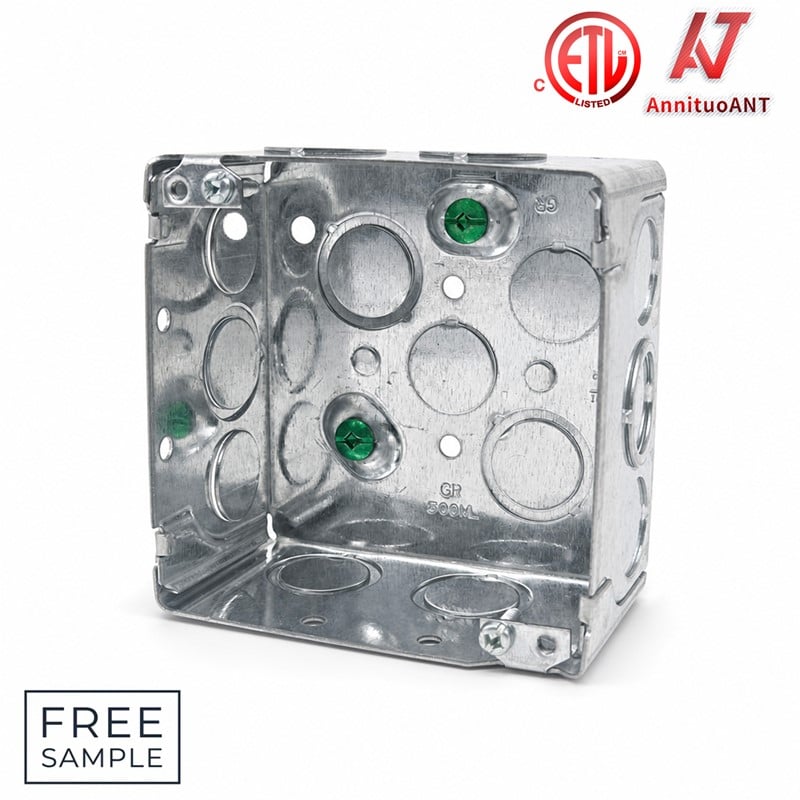
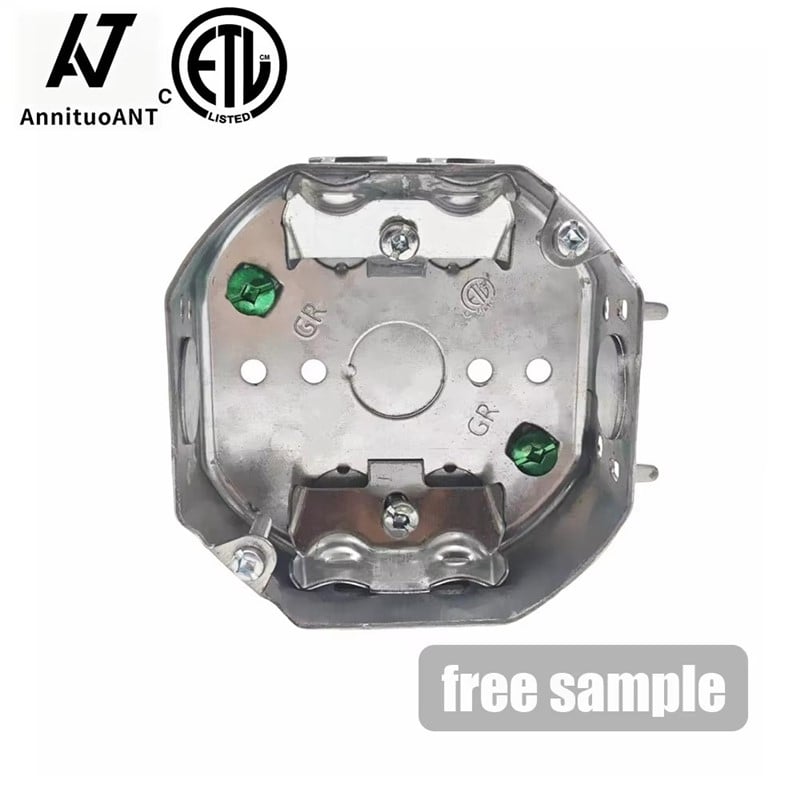
ETL (Intertek): ETL certification signifies that the product meets the safety standards set by the Nationally Recognized Testing Laboratory (NRTL) program. ETL-tested products are also reliable, but the branding may be less recognized than UL in some industries.
Both certifications provide assurance of safety and quality, but buyers should check their specific industry requirements and preferences when selecting between UL and ETL certified outdoor pvc junction box.
Finding a reliable supplier for outdoor junction boxes is paramount for B2B buyers. Here are some strategies to consider:
Direct Manufacturers: Sourcing directly from manufacturers, such as Jiaxing ANT Electrical Co., Ltd., can provide advantages like competitive pricing, access to OEM/ODM solutions, and tailored products to meet specific needs.
Wholesale Distributors: Established distributors often carry a range of products and can provide additional services like bulk purchasing options and logistics support.
Online Marketplaces: Platforms can connect buyers with multiple manufacturers and suppliers. Always check supplier ratings and reviews for reliability.
Trade Shows and Industry Events: Attend relevant trade shows to meet suppliers, see products firsthand, and discuss specifications and pricing in detail.
Industry Associations: Joining industry associations can provide networking opportunities and access to reputable suppliers who adhere to industry standards and regulations.
Outdoor junction boxes can face several common issues, which can be mitigated with proper selection and installation:
Moisture Ingress: A frequent problem is moisture entering the junction box, potentially causing short circuits. To prevent this, ensure the box has an adequate IP rating and is properly sealed. Regular inspections can help identify wear on seals.
Corrosion: For metallic boxes, corrosion can reduce the lifespan and effectiveness. Choose corrosion-resistant materials or apply protective coatings to enhance durability.
Overheating: Junction boxes can overheat if not properly ventilated, especially in high-temperature environments. Ensure the plastic junction box design allows for heat dissipation and does not restrict airflow.
Physical Damage: In areas with high traffic or impact exposure, junction boxes can be damaged. Select robust designs suited for the installation environment, and consider using protective enclosures if necessary.
Incorrect Sizing: Overcrowding can lead to overheating and connection issues. Always verify the dimensions and internal volume of the box to ensure it accommodates all components comfortably.
Outdoor junction boxes serve a variety of applications across different sectors:
Commercial Installations: In commercial environments, these junction boxes are used for connecting outdoor lighting, signage, and security systems. Their durability and protection against the elements make them ideal for outdoor applications.
Residential Projects: In residential settings, outdoor junction boxes facilitate connections for garden lighting, pool pumps, and other outdoor appliances. They ensure safety and compliance with electrical codes.
Industrial Applications: In manufacturing and industrial settings, outdoor junction boxes can protect critical electrical connections in harsh environments, such as warehouses and factories, where exposure to moisture and dust is prevalent.
Renewable Energy Systems: With the rise of solar panels and wind turbines, outdoor junction boxes are also integral in renewable energy setups, housing connections and ensuring component protection.
Telecommunications: Outdoor junction boxes are crucial in housing connections for telecommunications, ensuring that sensitive equipment is protected from environmental factors.
Understanding these applications can help buyers find the right solutions tailored to their specific project needs and environments.
By evaluating specifications carefully, understanding certification differences, sourcing from reliable suppliers, addressing common issues, and recognizing application needs, B2B buyers can make informed decisions regarding outdoor junction boxes, ensuring quality and reliability in their electrical installations.