 EN
Quick Links
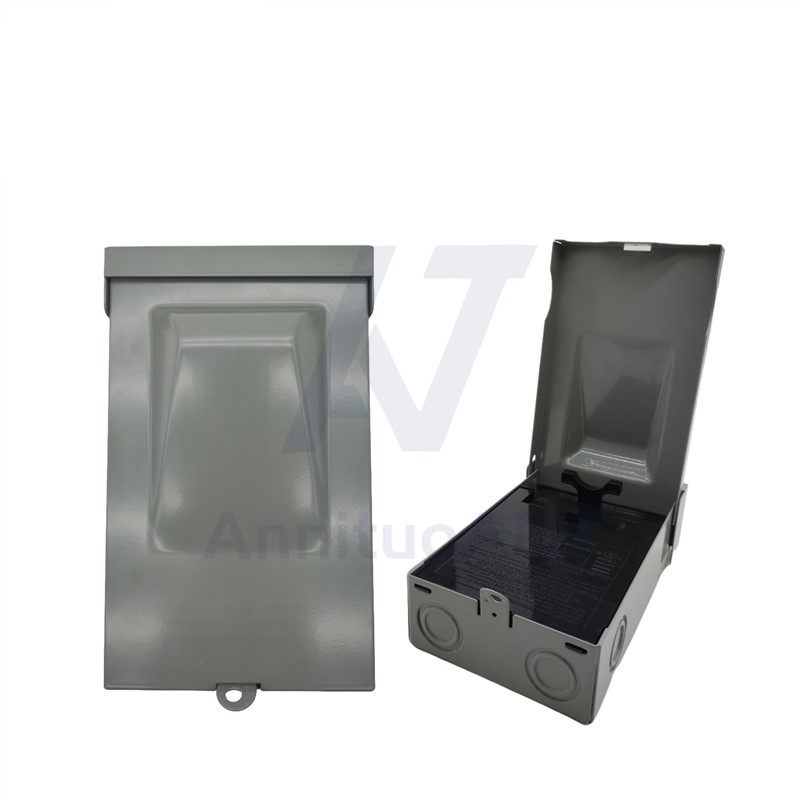
Disconnect switches are critical components in air conditioning systems, ensuring safety and efficiency during maintenance and operation. The disconnect switch on air conditioner units serves to isolate the electrical supply, preventing accidental energization while technicians perform repairs or routine checks. For B2B buyers such as purchasing managers and engineers, understanding the nuances of these switches is vital. This article will guide you through the selection criteria, key specifications, common issues, and comparisons of ac disconnect switch to help you make informed purchasing decisions.
When selecting Anita disconnect switch for air conditioning applications, several factors come into play. First, consider the voltage rating; the switch must match the voltage requirements of your air conditioning unit. Common voltage ratings for commercial air conditioning systems include 240V and 480V.
Next, evaluate the ampacity, which is the maximum current the switch can handle. This should correspond to the air conditioner's power consumption. Typically, the ampacity needed can be found in the unit's specifications or by consulting the manufacturer.
Another important consideration is the environment in which the air conditioner disconnect switch will be installed. For outdoor applications, opt for a weatherproof disconnect switch to ensure durability against harsh conditions. Additionally, assess the mounting options available, ensuring compatibility with your installation requirements.
Understanding the key specifications of disconnect switches is essential for ensuring proper functionality and safety. Here are some critical specifications:
Voltage Rating: This indicates the maximum voltage the switch can safely handle. Ensure it matches your air conditioning unit's voltage.
Ampacity: This specification tells you the maximum current the switch can carry. It should align with the air conditioner's amperage draw to prevent overheating and potential failure.
Enclosure Rating: Rated per the NEMA (National Electrical Manufacturers Association) standards, this indicates the switch's suitability for different environments. For instance, NEMA 3R is suitable for outdoor use, while NEMA 1 is typically for indoor use.
Material Construction: Disconnect switches are commonly made from materials like thermoplastic or metal. Metal enclosures offer durability and better protection against physical damage.
Type of Operation: Determine whether you need a manual or automatic switch. Manual switches require operators to manually disconnect power, while automatic switches can do this based on specific conditions.
When sourcing Anita disconnect switches, consider several attributes beyond basic specifications:
Certification: Look for switches that comply with UL (Underwriters Laboratories) or ETL (Intertek Testing Services) standards. These certifications indicate that the switches have been tested for safety and reliability.
Quality Control: Investigate the manufacturer's quality control processes. A strong quality assurance program can minimize defects and ensure product longevity.
Customization Options: Depending on your specific needs, you might require customized features such as specific colors, markings, or additional safety mechanisms. Check if the manufacturer offers OEM/ODM solutions for tailored products.
Lead Time and MOQ: Understand the manufacturer's minimum order quantity (MOQ) and lead time. This information is crucial for planning your inventory and ensuring timely project completion.
Disconnect switches can experience several common issues that can impact their performance:
Corrosion: In outdoor installations, switches may be susceptible to corrosion, especially if not rated for weather resistance. Choose a NEMA-rated switch for outdoor use, and regularly inspect for signs of wear.
Failure to Operate: Sometimes, switches may fail to open or close properly due to internal wear or mechanical issues. Regular maintenance and testing can help identify these problems before they lead to failure.
Overheating: If a switch is undersized for the load it carries, it can overheat, posing a fire hazard. Always verify the ampacity against the air conditioning unit's requirements to avoid this issue.
Electrical Arcing: Poor connections can lead to arcing, which can damage the disconnect switch for ac unit and pose safety risks. Ensure that all electrical connections are tight and secure during installation.
Wholesale buyers should consider various features when comparing Anita disconnect switches from different manufacturers:
Pricing: Evaluate the cost per unit based on the specifications. While it may be tempting to choose the lowest price, consider the overall value, including quality and warranty.
Warranty and Support: Investigate the warranty period and the level of customer support provided by the manufacturer. A strong warranty can protect your investment against defects.
Performance History: Seek out reviews or case studies that illustrate the performance of the switches in real-world applications. This can provide insights into reliability and potential issues.
Availability: Confirm that the manufacturer can meet your order quantities within your timeline. This is particularly important for large projects where delays can lead to increased costs.
By carefully considering these factors and specifications, B2B buyers can make informed decisions when selecting disconnect switches for air conditioning systems, ensuring safety, compliance, and operational efficiency.